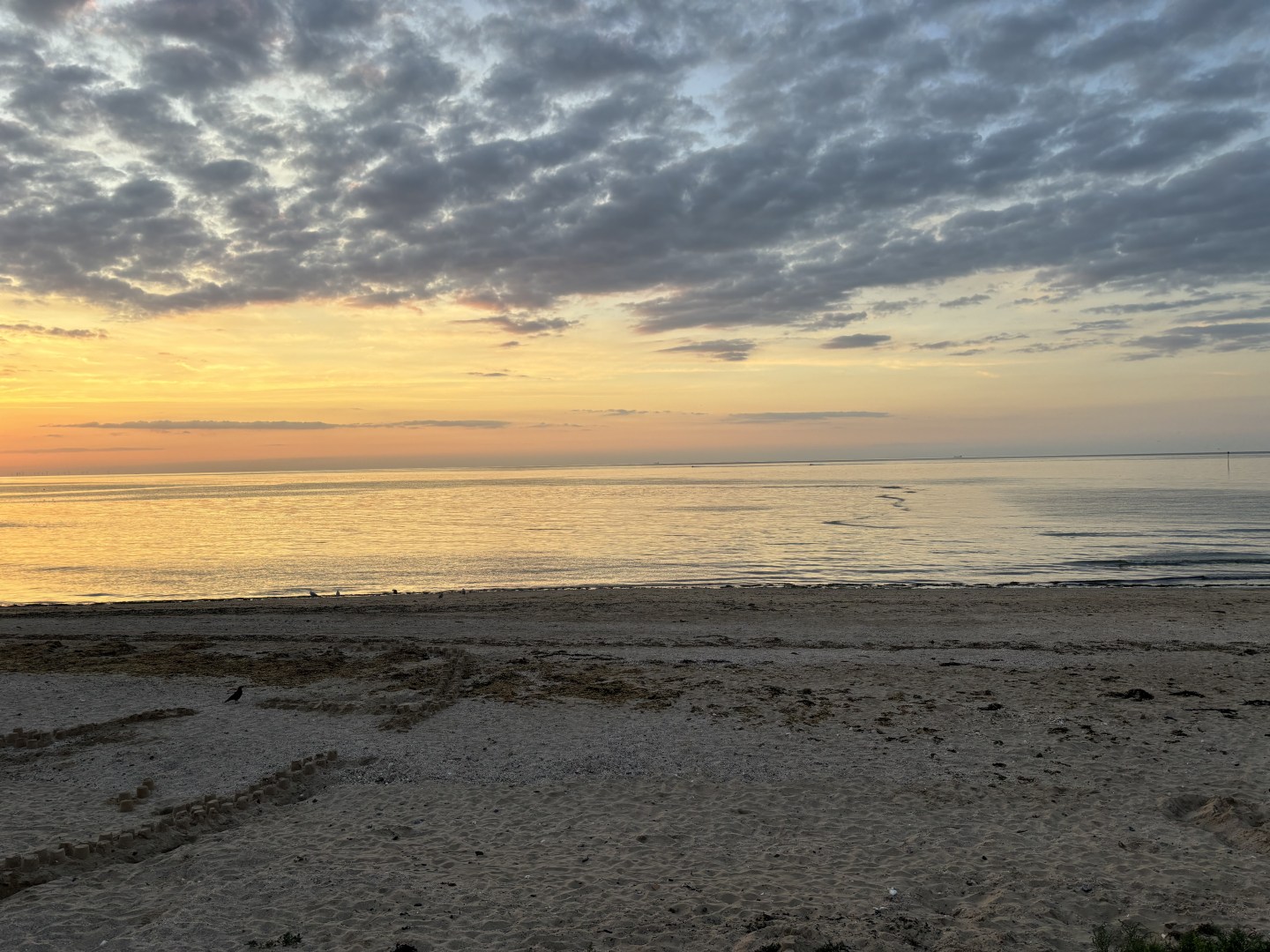
There are many factors which all affect each other so the difference in colours is a complex phenomenon to unpack.
Water is colourless and so transparent. Water reflects the colours of the atmosphere. If the sky is cloudy, then the water will appear greyer. If the sun’s intensity is high then the water may appear more orange or red.
We know that water molecules absorb different wavelengths of light (different colours). After a certain depth, the ocean is in pitch-black darkness. This is why, the deeper the ocean floor, the darker the water appears. Shallow bodies of water will appear lighter and bluer.
The constituents of the ocean affect the colour of the water. If the water is clean and the sand is white then the water will appear blue/ turquoise. If the water is muddy and has dark sand then the water will appear dark.
Calmer waters tend to have a larger separation of water and sediment whereas rough waters will have the sediment push up causing the water to be mixed with more debris making it murky.
The type and quantity of plant life and other organisms affect the absorption of certain wavelengths of light. For example, different types of algae such as phytoplankton contain more chlorophyll (for photosynthesis purposes) which absorbs less green light hence why it is reflected more so which makes the water around it appear greener.
 Sandgeek