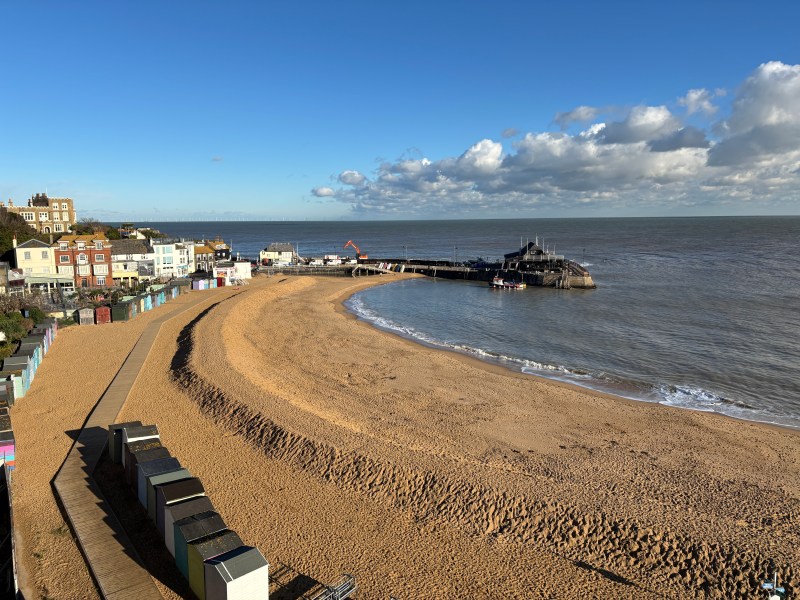
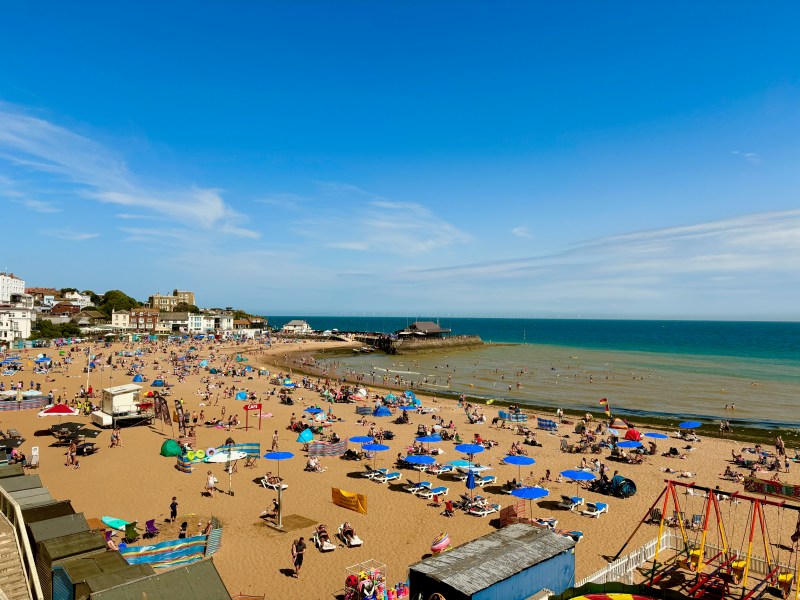
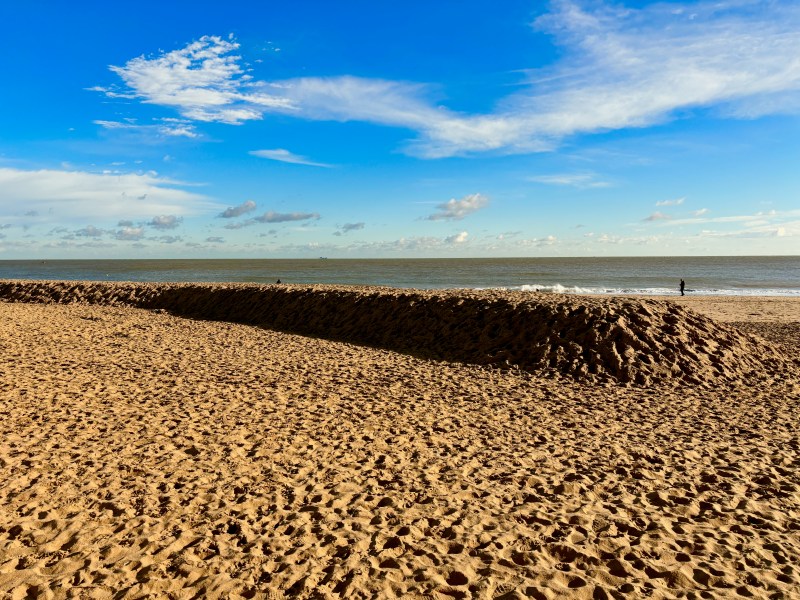
Have you ever wondered why sand dunes are constructed on beaches? You have probably seen these dunes in the winter months.
Beach Scraping/ Beach regrading/ Beach Profiling/ Beach Reprofiling
Beach scraping is a coastal management practice used to reshape or rebuild a beach. It involves moving sand from lower areas of the beach to higher areas to restore sand dunes, improve beach profiles, or protect against coastal erosion.
This process helps safeguard infrastructure, habitats, and recreational areas from storm surges and rising sea levels. However, it can have ecological impacts, so it’s usually done with careful environmental assessments.
Although this type of sea defence is cheap and straightforward to implement, it does need to be replaced continuously.
Why is Beach Reprofiling typically carried out in the winter?
Beach reprofiling is often done in the winter because this is typically when beaches experience more erosion due to storms and higher tides. By reshaping the beach during the winter months, it helps to repair any damage caused by seasonal weather, ensuring the beach is better prepared for the coming spring and summer seasons. Additionally, winter conditions tend to have less beachgoer activity, so the work can be carried out with less disruption to tourism.
How is it carried out?
The process of beach scraping typically uses bulldozers, excavators or other heavy machinery to create a steeper beach profile or reinforce existing sand dunes. It’s often employed as a short-term solution to protect coastal areas from erosion, storm surges, or flooding. While effective in the short run, frequent use can disrupt ecosystems and deplete sand sources.
Summary
Beach reprofiling is a technique that reshapes the beach. This helps absorb wave energy, reducing the impact of erosion and protecting the coastline.
Soft Engineering and Hard Engineering
Constructing sand dunes is an example of soft engineering. Soft engineering uses sustainable and natural methods to manage the coast without building artificial structures.
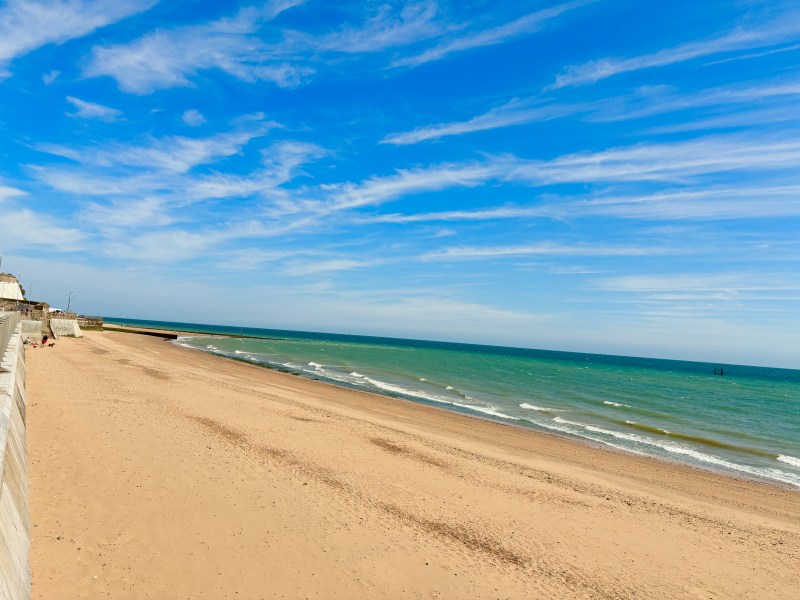
Hard engineering involves building man-made structures, like sea walls or groynes, to protect coastlines from erosion and flooding.
Beach Nourishment
Beach nourishment is a method of coastal protection where sand or shingles are added to a beach to replace material lost to erosion. This process helps widen and elevate the beach, creating a natural barrier to protect the coastline from waves, storm surges, and flooding.
Advantages of Beach Nourishment
- Protects coastlines from erosion and flooding.
- Maintains beaches for recreation and tourism.
- Looks natural and supports wildlife habitats.
- Flexible and can be adjusted as needed.
Disadvantages of Beach Nourishment
- It is not a permanent solution for erosion control.
- Expensive and requires ongoing maintenance.
- Sand can be washed away quickly, especially during storms.
- Collecting sand may harm marine ecosystems.
 Sandgeek