Key information

Sandy Beach

Toilets

Showers

Seasonal Lifeguards

Parking nearby

Cafes/ Restaurants
Designated for Bathing

Water Quality 2025: Sufficient

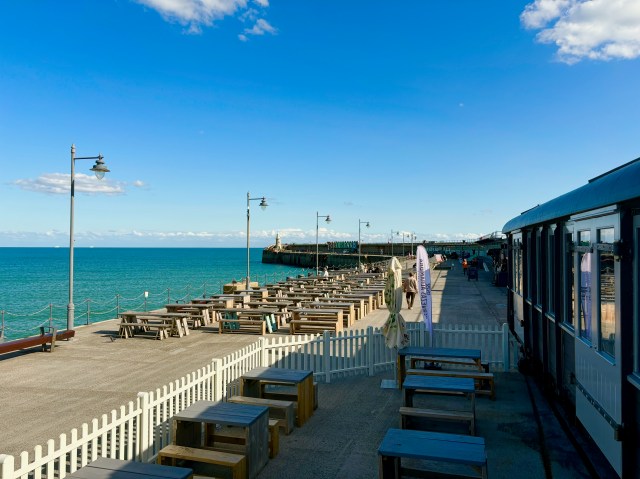
Pier

Harbour

Dog restrictions (1st May to 30th September)

Sunny Sands Beach, Folkestone: Family-Friendly Sandy Getaway
One of Folkestone’s only sandy beaches, Sunny Sands is perfect for families. Enjoy safe paddling, beach games, and seaside views just steps from the town centre.
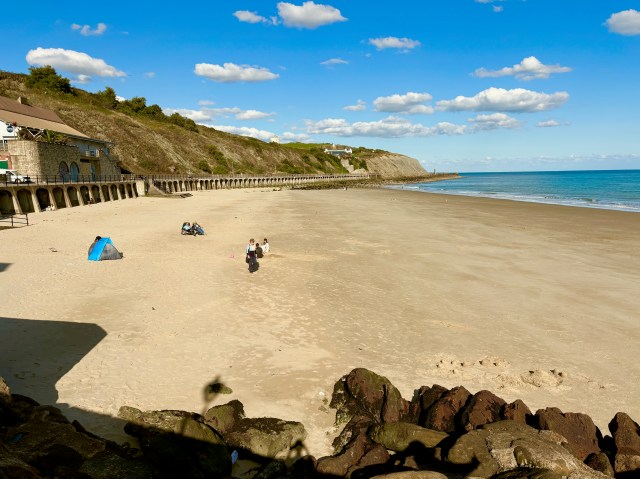
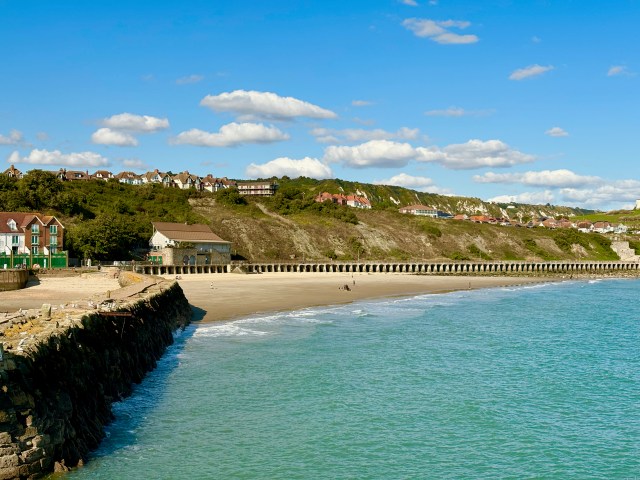
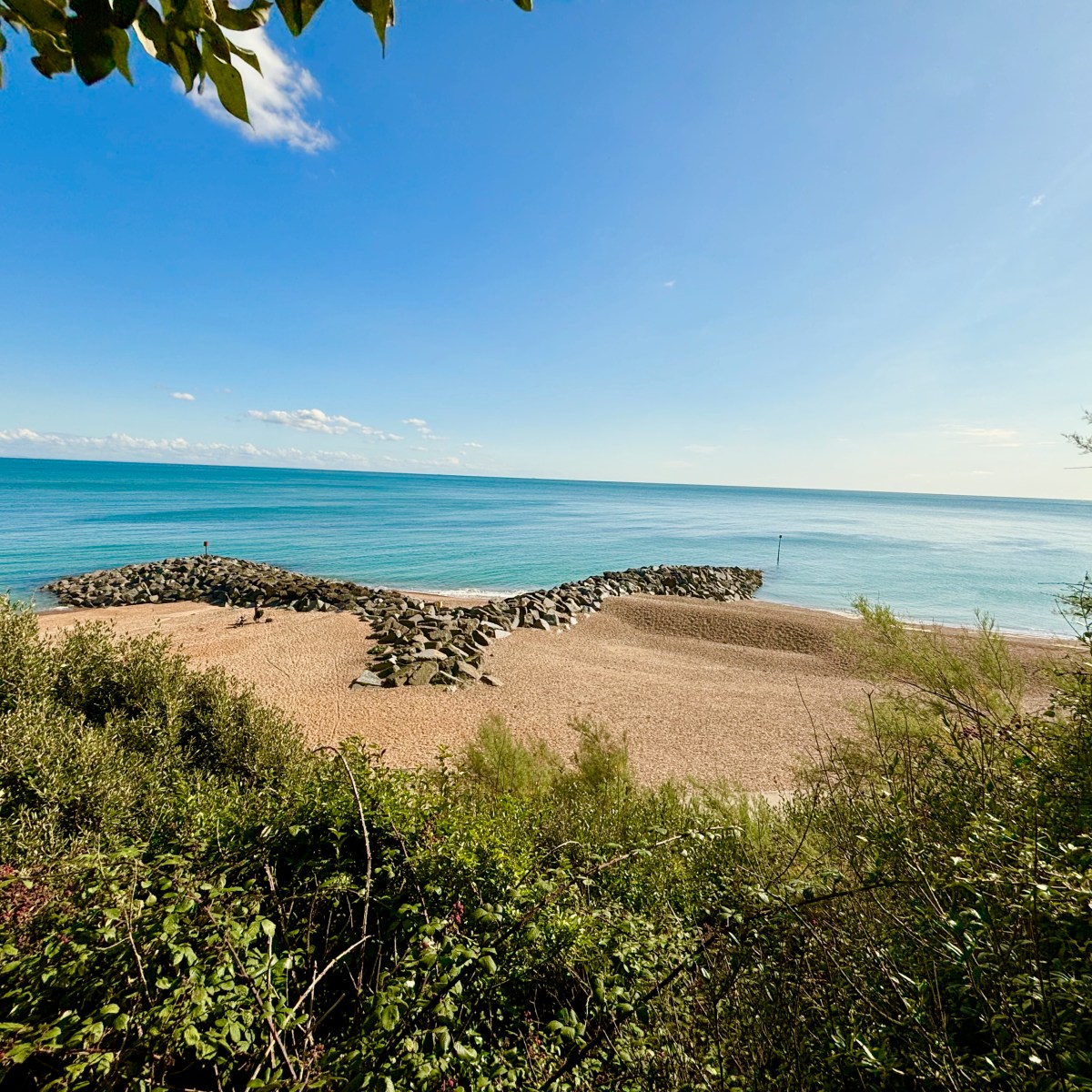
Sunny Sands Beach is the most popular beach in Folkestone. This beach is popular with both residents and visitors because it has a sandy beachfront, which is uncommon on Kent’s mostly shingle coast. Sunny Sands has golden sand, which sets it apart from many other beaches in the area and makes it ideal for tanning, constructing sandcastles, and participating in beach activities.
The beach is well-known for its tranquil seas, which make swimming and paddling safe, especially for little ones. Lifeguards sometimes patrol the beach in the summer, providing an additional degree of security for guests.
Conveniently, Sunny Sands Beach is only a short stroll from both the charming Harbour Arm and Folkestone’s town centre. It’s simple to enjoy the beach and then explore the surrounding stores, cafes, and restaurants because of their close vicinity.
There are pop-up eateries, pubs, and live music in the lively neighbouring Folkestone Harbour Arm. Particularly in the summer, Sunny Sands is frequently the site of neighbourhood gatherings, such as outdoor activities, beach festivals, and sandcastle contests.
Attractions
One of the most popular tourist destinations is the Lower Leas Coastal Park. This award-winning park features lovely gardens, hikes through the forest, and one of the biggest free adventure playgrounds for kids in the UK. Throughout the summer, the park’s well-maintained amphitheatre hosts shows and activities.
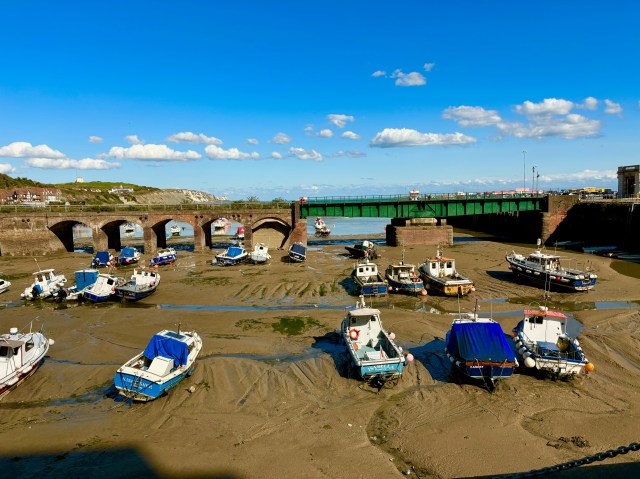
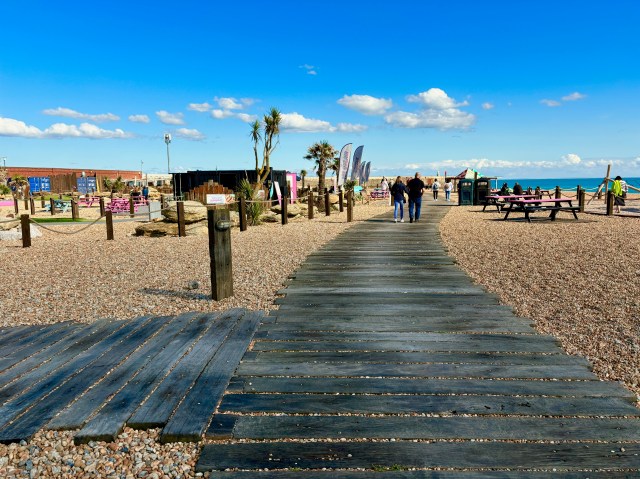
The Harbour is bustling with pubs, cafes and restaurants. There is no shortage of seafood. Along the boardwalk, you will find multiple ice cream outlets and a mini golf course. Near the harbour arm are more food outlets and a huge screen which displays programs including sporting events.
Thanks to the Folkestone Triennial, an international public art event that places sculptures and other creative works across the town, Folkestone is becoming known as a centre for art and culture. Some of these pieces of art are permanent, transforming the beach and its environs into an outdoor art gallery. In addition to the Harbour Arm and Lower Leas Coastal Park, Folkestone Beach is near the Creative Quarter, which is home to lively cafes and art galleries. Folkestone Museum is close by, which provides information on the history and culture of the area.
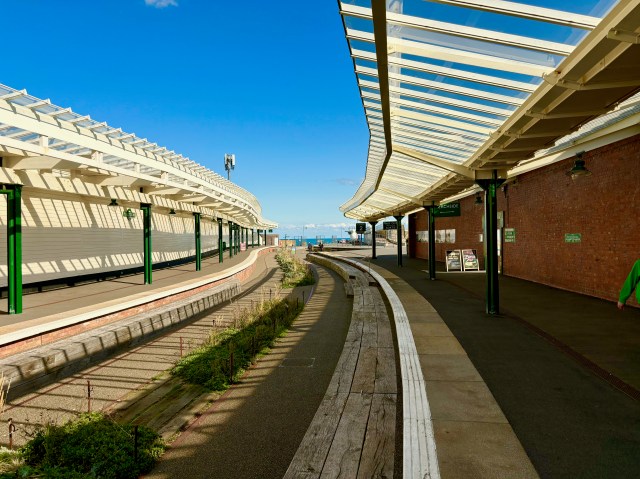
Folkestone Harbour Railway Station
Folkestone Harbour Railway Station, which first opened its doors in 1850, was crucial to the growth of international travel throughout the Victorian era. As the point of departure and arrival for travellers utilising the ferry services to France, it played a vital role in the transportation network of Britain. In its prime, the station served as a link between London and Paris and other cities, making travel easier for travellers, diplomats, and service members. It is also well-known for being the point of departure for troops leaving for the Western Front in World War I.
The station is situated at the base of the Folkestone Harbour Arm, a recently restored promenade and pier that has made the area a well-liked hangout for both locals and visitors.
Frequently Asked Questions
Is Sunny Sands Beach in Folkestone a sandy beach?
Sunny Sands Beach is a sandy beach. A short walk away is Mermaid Beach which contains shingles (pebbles and stones).
Why is Folkestone famous?
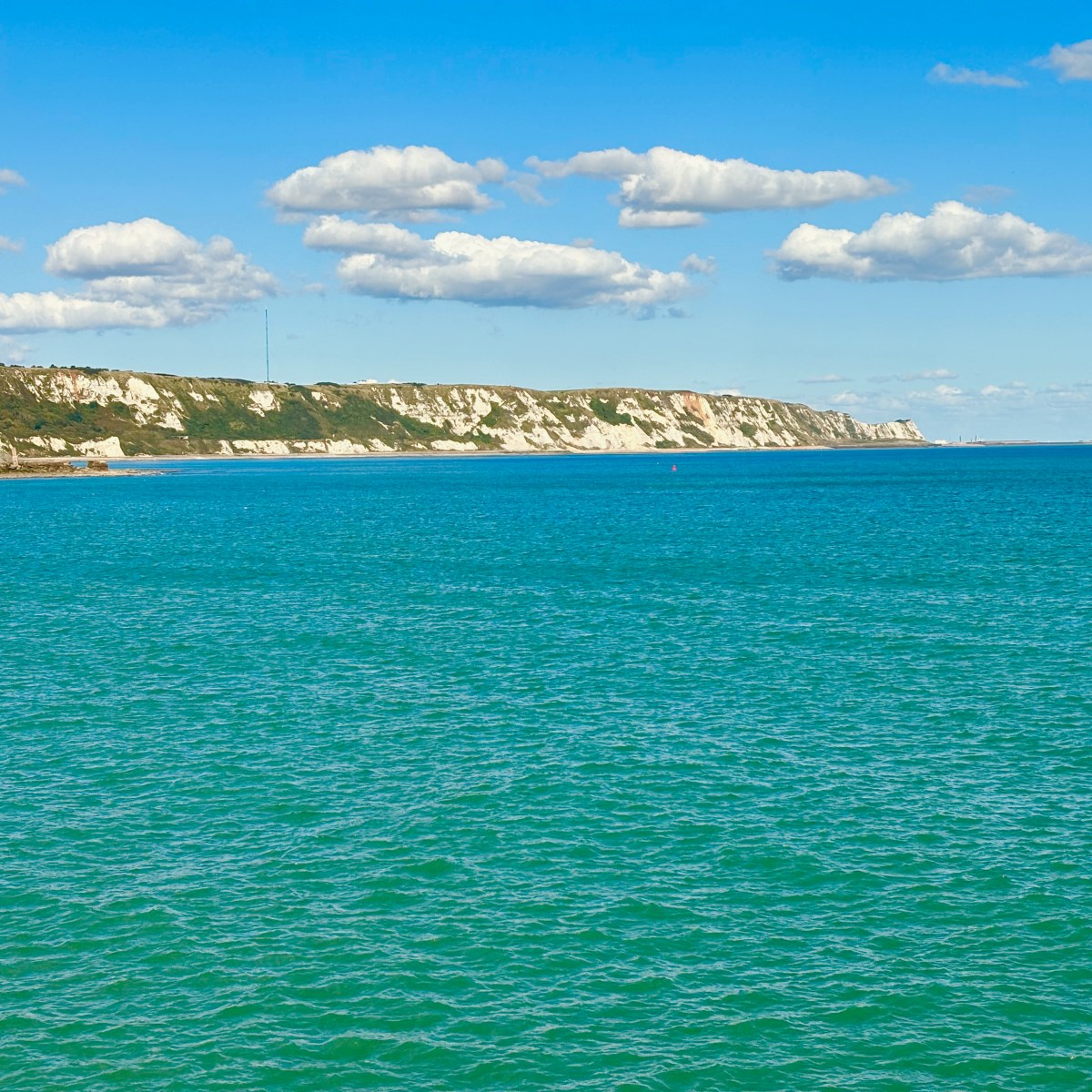
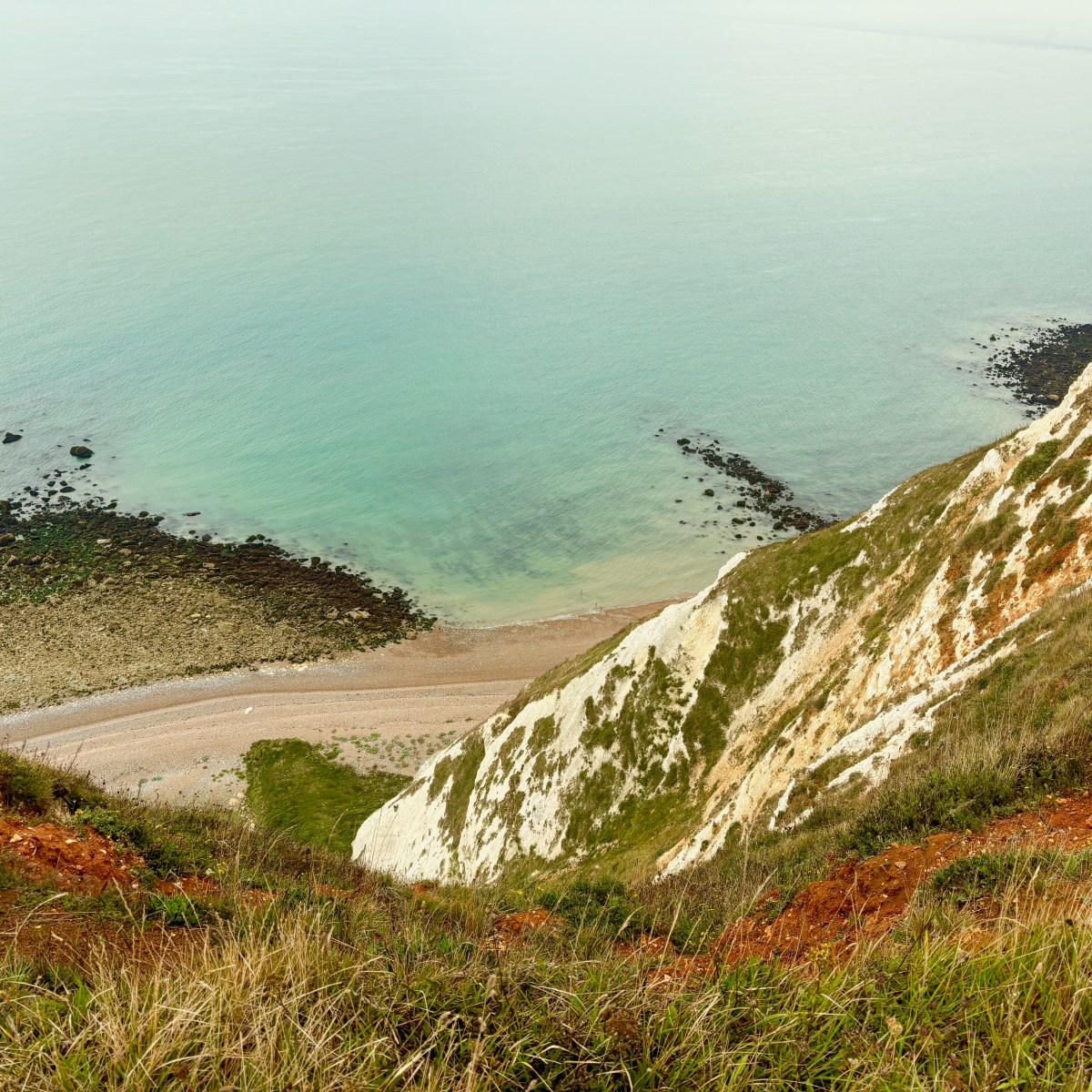
The reason Folkestone is most famous in the UK is probably because it is the entry point to the Channel Tunnel, which links France and England. Folkestone is well known for its breathtaking white chalk cliffs and shoreline. A lovely natural reserve is Folkestone Warren. Much of Folkestone’s military history dates back to the First and Second World Wars. A robust arts culture has made Folkestone famous, especially in the Creative Quarter, a bustling district of the town featuring galleries, studios, independent stores, and cafes.
Are dogs allowed on Folkestone beaches?
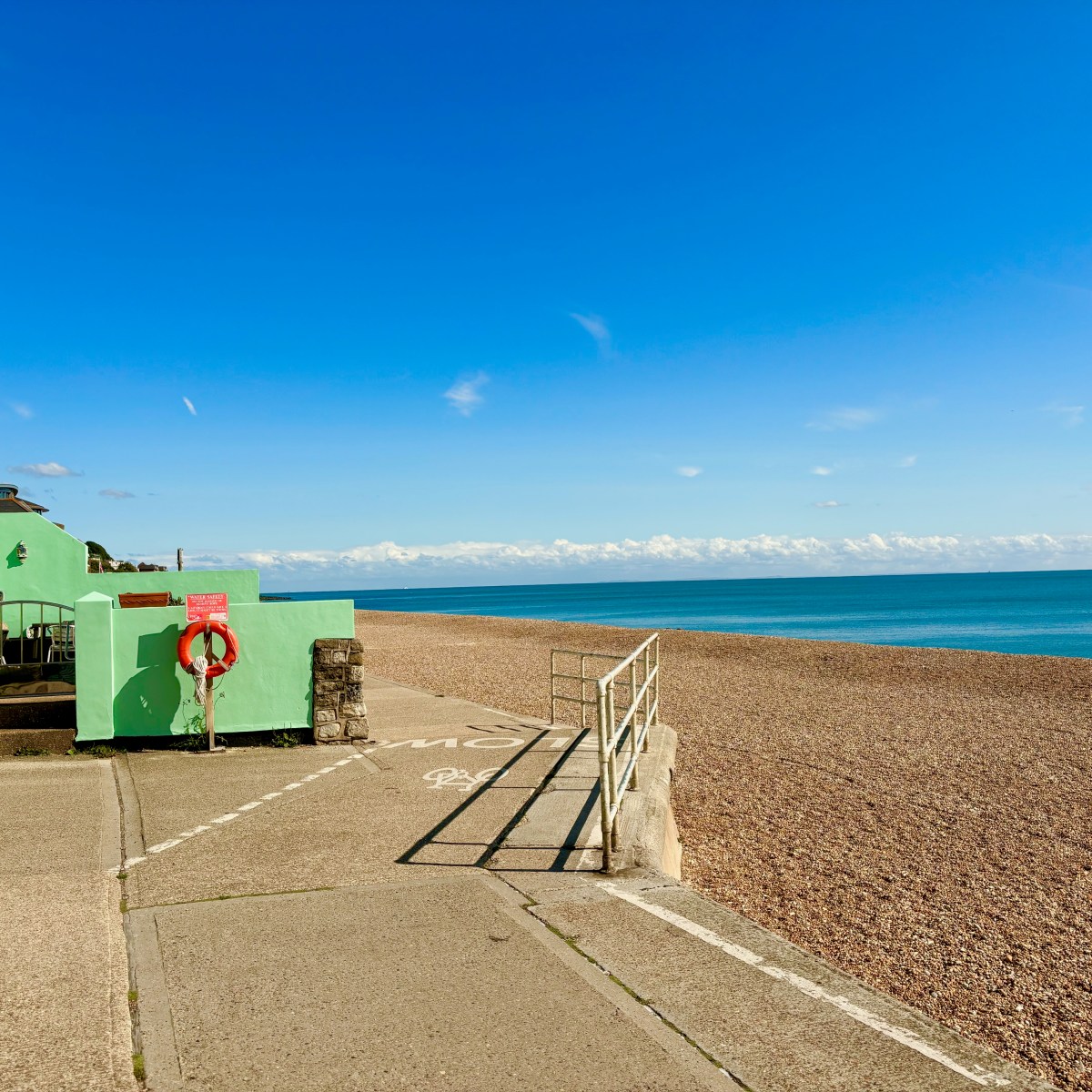
Dog restrictions are in place between 1st May and 30th September. This may include a ban on dogs from going onto the beach but may be allowed on the promenade with a lead.
How do I hire a beach hut?
Beach huts and chalets in Folkestone and Hythe District are managed by a different organisation. Click here to find out more
Can you swim at Folkestone beaches?
The water was given a ‘Good’ rating with 1/3 stars in 2025. There may not always be lifeguard services present on the beach. The beach is Designated for Bathing.
 Sandgeek