Here are our top tips to be safer at the beach:
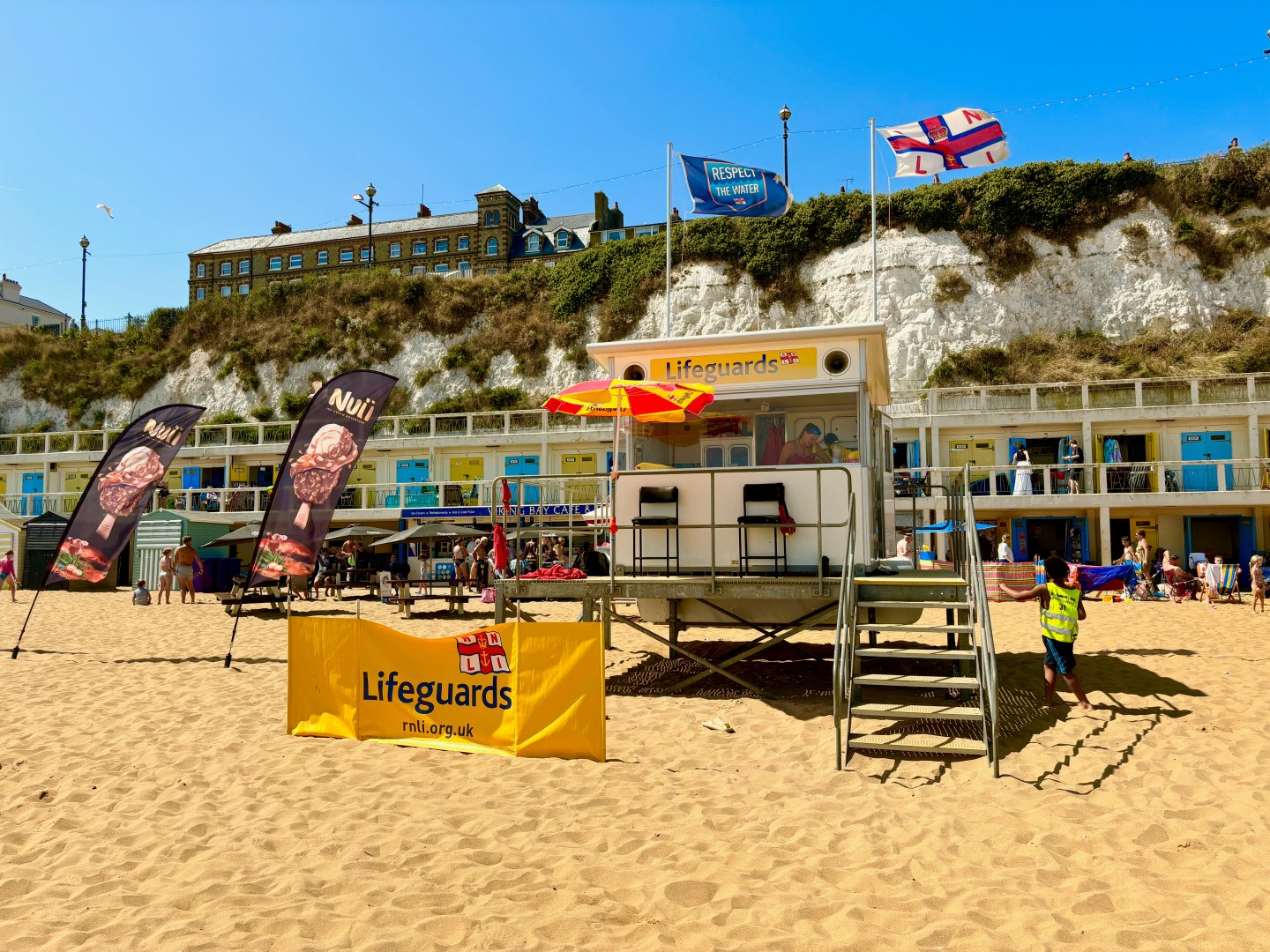
Go to a beach with lifeguard services
Lifeguards are trained professionals who can help keep you safe. You can ask them questions and request help if you or someone else is in danger.
Flags and signs
Know what the flags and signs mean on beaches with lifeguard services. Ask the lifeguard if you are unsure what they mean.
The red and yellow flag means this is the safest area to bathe in because it is observed better by the lifeguard as well as other reasons.
The red flag means do not enter the water because it is dangerous.
The black and white checkered flag indicates the launch and recovery area for non-powered craft such as surfboards and kayaks. Do not bathe in this area.
The orange windsock indicates strong wind conditions. No inflatables are to be used.




Inflatables and equipment
Inflatables and equipment can be swept away easily. Don’t go too far into the sea and take all safety precautions such as staying within the red and yellow flags. Ensure inflatables are not prohibited by checking for signs and asking the lifeguard if you are unsure.
Rip currents
Look out and stay out of rip currents. These are powerful channels of water that flow away from the shore. They can quickly drag you away from shore. If you see someone in danger then alert the lifeguard and dial 999 or 112 to ask for the coastguard.
Watersports
Don’t participate in water activities which are beyond your abilities to practice safely.
Protect yourself from the sun
Wear sunscreen, a hat and UV-protecting sunglasses to protect yourself from the sun’s harmful rays. Regularly reapply the sunscreen.
Stay hydrated
Drink enough water to avoid dehydration.
Check for Hazards
Check the location and terrain. Avoid dangerous and uneven ground, rocks, jellyfish, sharks, strong currents and more.
Look out for each other
Supervise children and stay as a group in safe areas. Swim safely with a buddy.
Don’t drink alcohol
Don’t drink alcohol before participating in any water activities. Alcohol impairs cognition which results in slower reaction time and reflexes amongst other detrimental effects.
Check water quality
Avoid bathing in water that has a low water quality. Water quality may be reduced by many factors including pollution and sewage accidents. Check the water quality of beach waters in England.
Float to Live
Float to live is a technique that helps you stay afloat in times of difficulty in the water.
For more information check out this link by RNLI (Royal National Lifeboat Institution)
Emergency
Call 999 or 112 in an emergency (England) to ask for the coastguard. Inform the lifeguard on duty.
 Sandgeek