Posted:
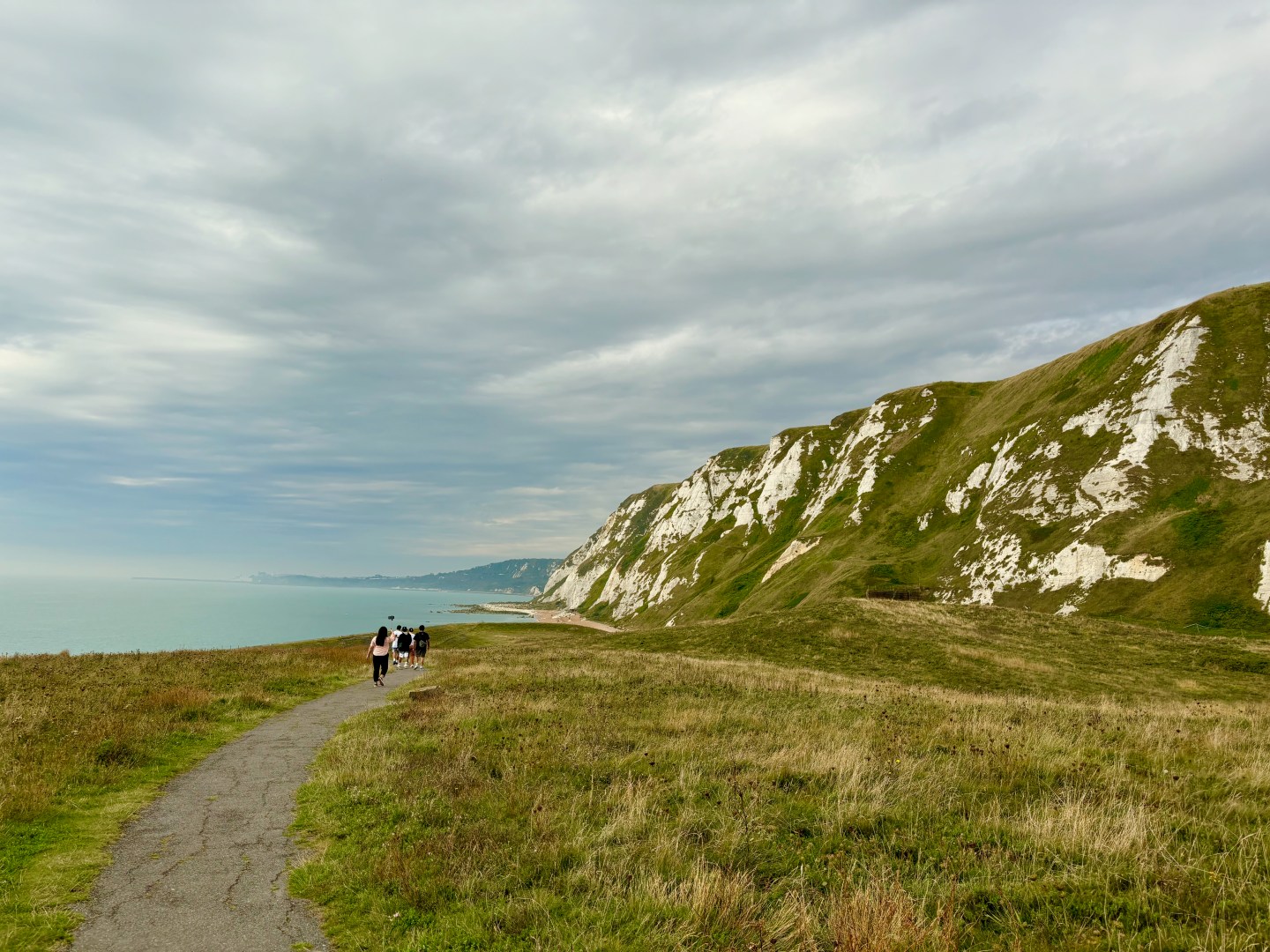
Samphire Hoe Nature Reserve is nestled between Dover and Folkestone in Kent and spans 30 hectares. formed from nearly 5 million cubic metres of chalk excavated during the construction of the Channel Tunnel. Since opening in 1997, this award-winning country park has combined remarkable engineering history with rich biodiversity and stunning coastal scenery, making it one of southeast England’s premier outdoor destinations.
Why Visit Samphire Hoe?
Here are some compelling reasons why Samphire Hoe should be your next visit.
Unique Creation of Samphire Hoe
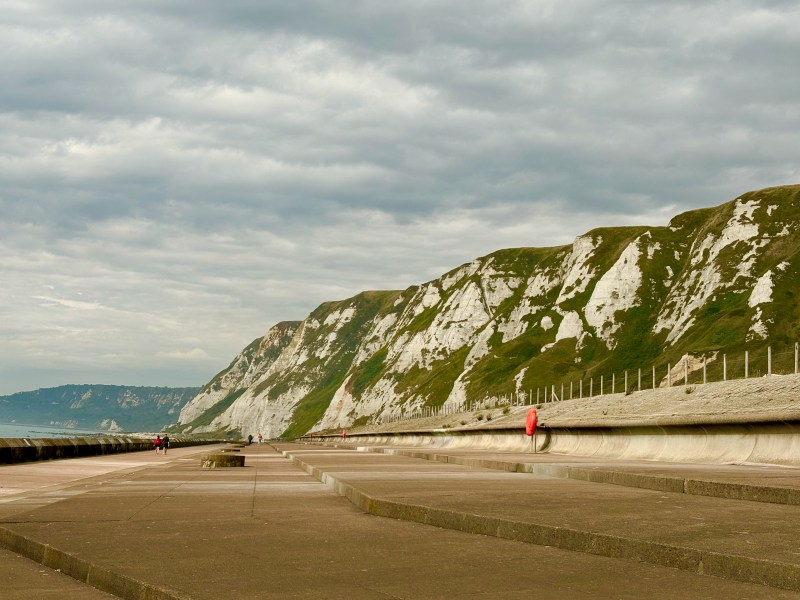
This extraordinary coastal reserve was reclaimed from the English Channel by depositing chalk spoil behind a robust 1.7 km sea wall, transforming what was once industrial waste into vibrant chalk grassland and wildlife habitat. The site represents a pioneering achievement in land reclamation and environmental restoration tied to the Channel Tunnel project.
Pristine Natural Habitat
Samphire Hoe is a biodiversity hotspot with over 200 plant species, including rare wildflowers like the early spider orchid, rock samphire, and sea lavender. The reserve supports more than 220 bird species, 30 butterfly species, hundreds of moth species, and a variety of insects like dragonflies and damselflies. Grazing sheep and cattle play a vital role in managing the grasslands, encouraging wildflowers and sustaining habitat diversity, ideal for birdwatchers, botanists, and wildlife enthusiasts alike.
Spectacular Views
The reserve offers breathtaking views across the English Channel towards France, framed by the iconic White Cliffs of Dover and Shakespeare Cliff. The onsite Samphire Tower, a 33-foot structure, provides panoramic vantage points for photography and nature observation, making it a highlight for visitors.
Award-Winning Green Space
Samphire Hoe holds over 17 Green Flag Awards, including the 2025/ 2026 Green Flag Award for excellence. It has also received multiple regional environmental accolades for its outstanding standards in accessibility, biodiversity conservation, and visitor engagement, making it one of the UK’s premier coastal nature reserves.
Rich History of Samphire Hoe
The site sits beneath cliffs steeped in industrial history: explosive reshaping of cliffs in 1843, failed tunnel attempts in the 1880s, and coal mining ventures before becoming a vital part of the Channel Tunnel construction. The park officially opened in 1997, marking a new chapter as a public space melding heritage, ecology, and recreation.
Things to See and Do at Samphire Hoe
Walking & Cycling
Enjoy the 2 km circular nature trail with gentle gradients, ideal for all ages and abilities. This took us about 40 minutes but we did stop to admire the views. The trail showcases diverse wildlife habitats and stunning sea views. Bike-friendly paths link with local routes, perfect for leisurely rides.
Wildlife Watching
Look out for peregrine falcons, kestrels, stonechats, meadow pipits, and over 30 butterfly species. The wildflowers bloom heavily from spring into summer, offering vibrant colours and rare species to botanists and photographers.
Education & Events
Visit the education shelter with interactive displays on local ecology, geology, and Channel Tunnel history. The shelter uses sustainable materials and wood-burning stoves for warmth. Seasonal guided walks, wildlife talks, art classes, and community festivals are regularly held.
Sea Angling (Fishing)
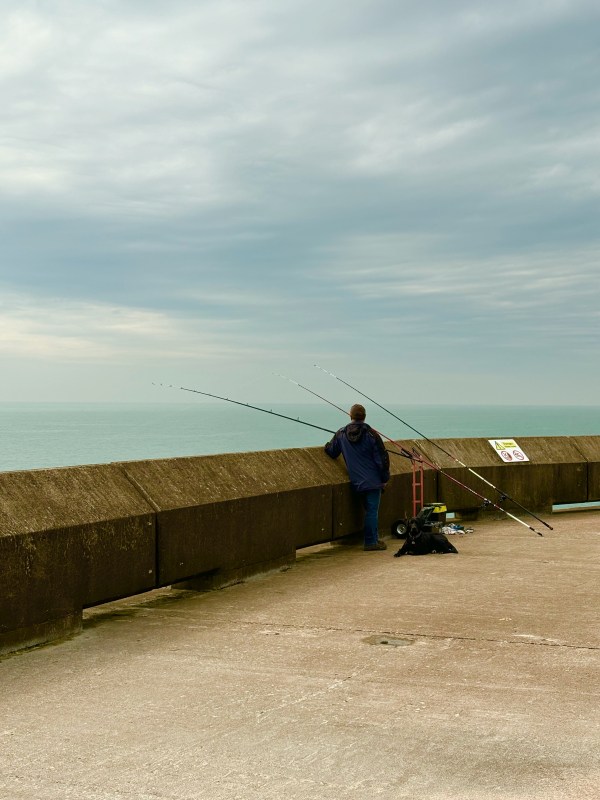
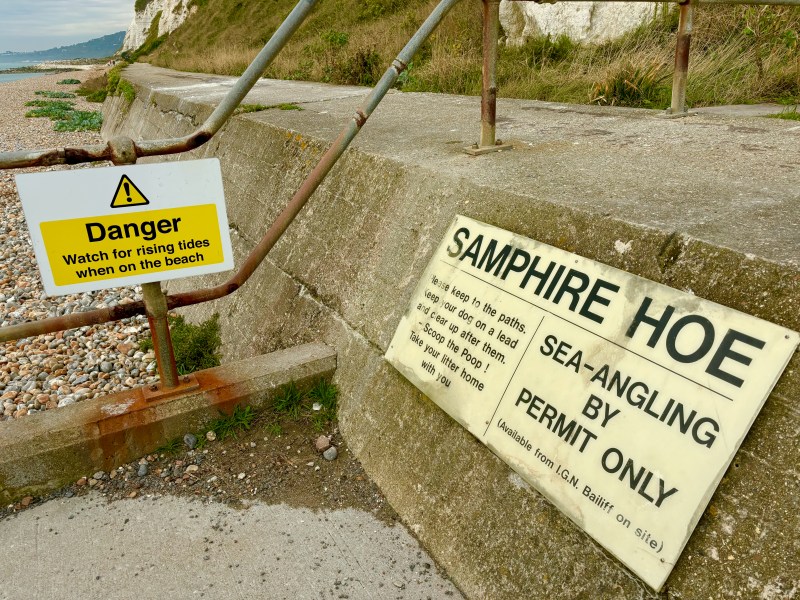
Cast your line from the sea wall, fishing species like bass, pollack and wrasse. Fishing permits are required and can be purchased at the site kiosk. A child ticket costs £4 per day and an adult ticket costs £6 per day. You can buy a half-year ticket for £60 or a full year season ticket for £75. Between May and September, anglers can enter local competitions with trophies and prizes.
Relaxation & Picnics
Numerous benches and picnic areas are scattered across the meadows and along scenic paths. The site includes a kiosk selling hot drinks, snacks, and ice cream on weekends between Easter and September.
Samphire Tower
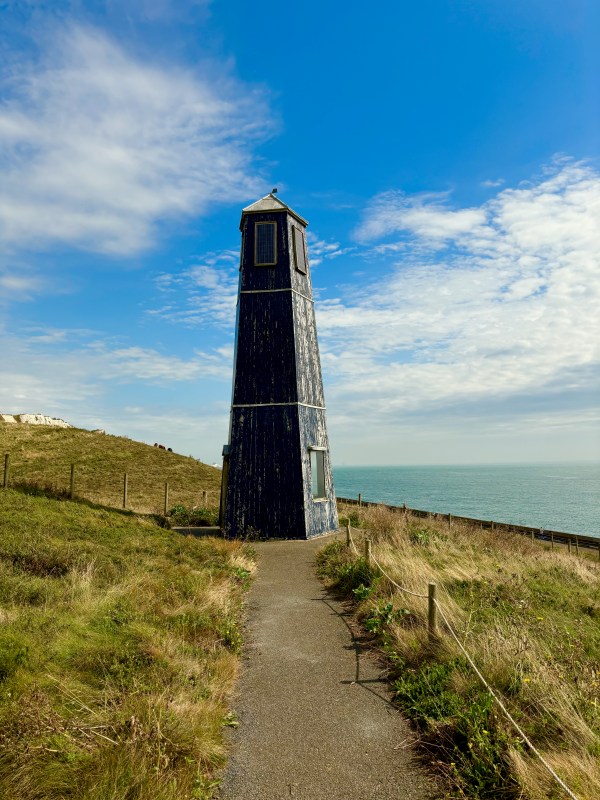
The Samphire Tower offers panoramic coastal views, serving as an iconic landmark and excellent photo spot. You can ascend the Samphire Tower to soak in unique coastal vistas. Some people call this Samphire Hoe lighthouse but it does not serve the purpose of a lighthouse.
Wildlife at Samphire Hoe Nature Reserve

Flora
Samphire Hoe supports over 200 plant species, including a varied population of orchids. Notably, there are thousands of early spider orchids. Other orchids include bee orchids, common spotted, and pyramidal orchids. The reserve also hosts rock sea lavender, sea asters, buckthorn, wild carrots, and sea buckthorns. Originally, 31 plant species were sown, and the habitat has since developed into a rich chalk meadow and grassland.
Birds
More than 220 bird species have been recorded, with around 31 species breeding locally. Common sightings include peregrine falcons, kestrels, red-throated divers, moorhens, and various migrant species such as wigeon and gadwall. Peak counts have shown up to 114 red-throated divers moving west on a single day. The reserve is a vital stopover for migrating birds along the coast.
Butterflies
Since opening in 1997, about 30 butterfly species have been recorded. Their presence provides important data on habitat health and biodiversity. The grasslands and scrubby areas create ideal conditions for these pollinators.
Moths
Around 380 moth species inhabit Samphire Hoe, active mostly at night, playing a key role in pollination and as a food source in the local ecosystem.
Other Insects
The reserve includes at least 13 species of dragonflies and damselflies, along with beetles like the rose chafer. These insects rely on diverse habitats such as ponds and grasslands, supporting the food web.
Reptiles
Three native reptiles are protected here: the common lizard, adder, and slow worm. Common lizards bask on sunny days, while adders, which are less often seen, are the UK’s only venomous snake.
Livestock
Samphire Hoe supports grazing by 35 to 85 sheep and cows annually. These animals maintain the grassland habitat by preventing scrub overgrowth, encouraging wildflowers and a healthy ecosystem.
Samphire Hoe Beach
A peaceful pebble and shingle shoreline beneath the White Cliffs, the beach is ideal for rock pooling and tranquil coastal walks rather than swimming. Accessible through gentle, wheelchair-friendly paths, the beach offers spectacular sea views with amenities including a nearby pay-and-display car park, accessible toilets, and a seasonal cafe. Dogs are welcome on leads.
Find out more about Samphire Hoe Beach
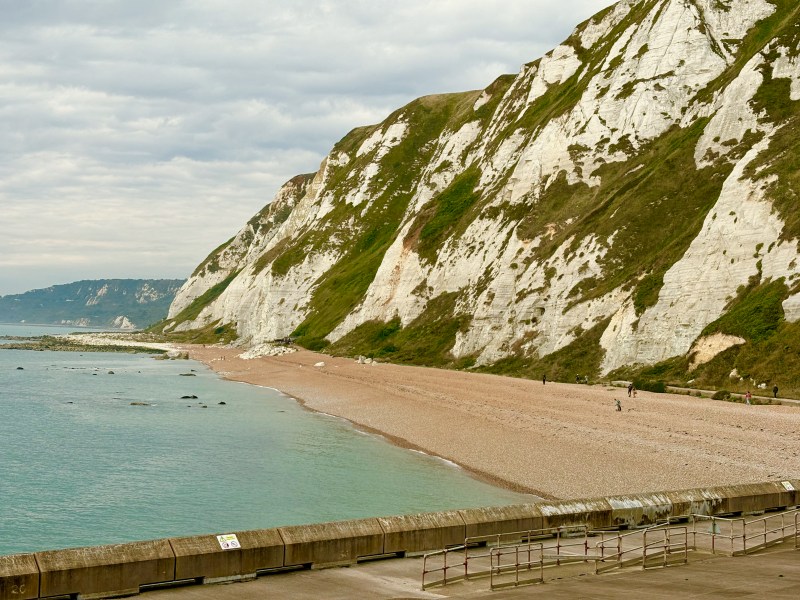
Why the name ‘Samphire Hoe’?
Named via a 1994 public competition, the term combines the historic “samphire” plant once harvested from the Dover cliffs and “hoe,” meaning a piece of land protruding into the sea. The name also honours a passage from Shakespeare’s King Lear, reflecting Dover’s cultural heritage and natural beauty.
Practical Visitor Information
- Opening Times: Open daily from 7 AM until dusk, all year round. Last entry is stated to be 7 PM.
- Accessible by foot, cycling, and local bus routes; cycling and walking paths are well-maintained for easy exploration.
- Facilites include the Education shelter with visitor exhibits and a kiosk with refreshments (weekends, Easter-September)
- Education shelter with exhibitions and ranger activities onsite.
- Guided walking tours for a minimum of 10 people can be booked
- school visit can be arranged
- Accessible toilets are available
- Dogs are allowed but must be kept on leads throughout the park.
- Safety barriers are situated along the sea wall; adult supervision recommended for children.
How to Get to Samphire Hoe
Address: Samphire Hoe, Samphire Road, Dover, Kent, CT17 9FL.
By Car
Visitors can drive directly to Samphire Hoe via the A20. Access is through a single-lane, traffic light-controlled tunnel that passes over the South Eastern Main Line beneath Shakespeare Cliff. There is plenty of pay-and-display parking with the following rates:
- Up to 30 minutes: 50p
- 30 minutes to 2 hours: £1.00
- Over 2 hours: £2.00
- Disabled badge holders and motorcycles park for free.
By Public Transport
The 65 bus serves the area, stopping at King Lear’s Way bus stop near Aycliffe, about a 10-minute walk from the reserve entrance. Dover Train Station is approximately 15 minutes by taxi or 45 minutes by bus.
Walking & Cycling
The popular North Downs Way National Trail runs along the cliff tops above the reserve, connecting Folkestone Warren and Dover town. The Sustrans National Cycle Network Route 2 passes close by as well, providing paths for cyclists and walkers. The reserve itself is mostly flat, with wheelchair-accessible paths making it suitable for all visitors.
Visit Samphire Hoe for Your Next Outdoor Adventure
Samphire Hoe uniquely fuses engineering heritage, award-winning conservation, and outstanding coastal beauty into a serene yet dynamic visitor experience. Its easy accessibility, family-friendly trails, rich biodiversity, and year-round events make it a must-visit destination in Kent for locals and tourists alike.
Whether seeking peaceful nature walks, birdwatching, sea views, or education on one of Britain’s greatest engineering feats, Samphire Hoe promises a memorable getaway. Its combination of environmental significance and recreational opportunities places it among the top green spaces in the UK.
Nearby Attractions worth visiting
- White Cliffs of Dover: Iconic coastal walks and panoramic views.
- Dover Castle: Historic fortress with extensive tours.
- National Memorial to the Few: Battle of Britain tribute at Capel-le-Ferne.
- Folkestone Harbour & Warren Nature Reserve: Coastal wildlife and harbour dining.
- Dover Museum: Home to the Bronze Age Boat and local heritage exhibits.
- Fan Bay Deep Shelter: WWII tunnels open for guided exploration.
- Historic Pubs & Seafood Restaurants: Enjoy fresh local cuisine in Dover town centre.
- North Downs Way & Shakespeare Cliff: Scenic trails and dramatic cliff landscapes nearby.
Frequently Asked Questions
What are the opening hours of Samphire Hoe?
Samphire Hoe is open daily from 7:00 AM until dusk. The last entry is usually at 7:00 PM, but closing times vary with the seasons.
Is there parking available on site?
Yes, there is a pay-and-display car park at Samphire Hoe charging around £2 per day. The car park is accessible off the A20 Dover-Folkestone road.
Is the reserve wheelchair and stroller accessible?
Most of Samphire Hoe is wheelchair and pushchair-friendly, with flat, well-maintained paths. Accessible toilets are also available near the visitor centre.
Are dogs allowed?
Dogs are welcome but must be kept on leads throughout the reserve to protect wildlife and grazing livestock.
What wildlife can I expect to see?
The reserve supports many bird species, butterfly species, moth species, and native reptiles, including common lizards, adders, and slow worms. Grazing sheep and cows maintain the grasslands.
Can I go fishing at Samphire Hoe?
Yes, sea angling is permitted along the sea wall, but you must obtain a fishing permit, available onsite from the visitor centre.
Are there facilities such as toilets and refreshments?
Bus route 61 stops near Aycliffe Primary School, a 10-minute walk from the reserve. Dover Train Station is approximately 15 minutes away by taxi or bus.
Can I cycle or walk to Samphire Hoe?
Yes, the North Downs Way National Trail passes above the site, and Sustrans Cycle Network Route 2 runs nearby, making it accessible for cyclists and hikers.
What is the historical significance of Samphire Hoe?
Samphire Hoe was created using chalk and spoil excavated during the Channel Tunnel construction and officially opened as a nature reserve in 1997. The name derives from local rock samphire plants and Shakespeare’s King Lear.
 Sandgeek