Posted:
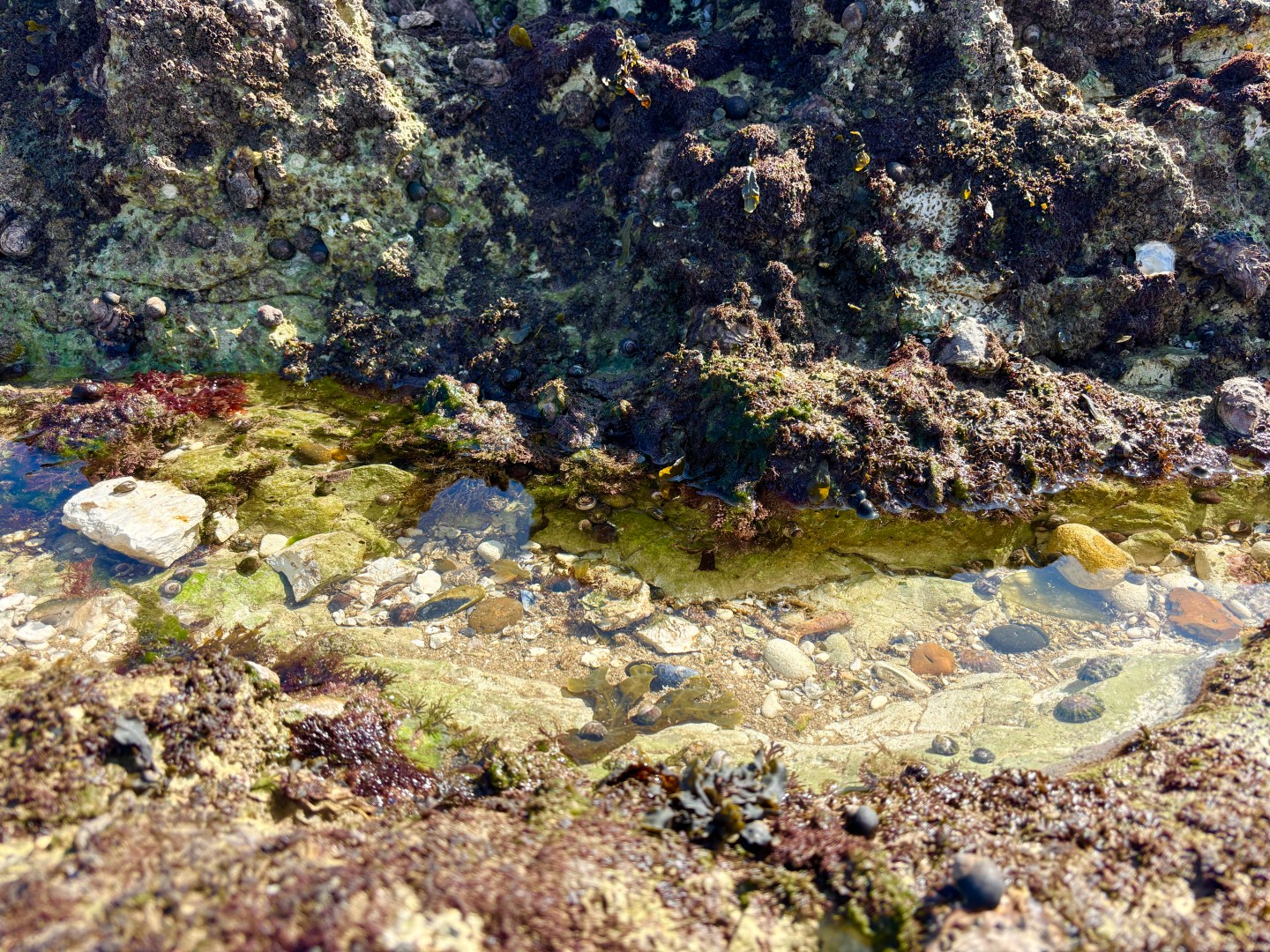
If you are looking for the perfect family day out by the sea with a real sense of discovery, rockpooling in Margate is hard to beat. We joined a Summer Seashore Safari by Thanet Coastal Project at Margate Main Sands and spent two joyful hours turning over pebbles, gently lifting seaweed, and meeting the tiny residents of the chalk reef.
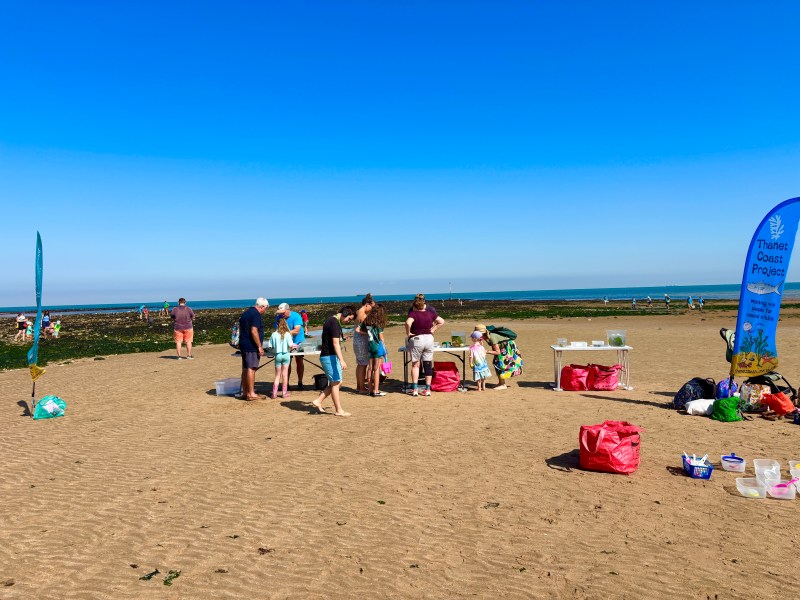
There were people of all ages, from curious toddlers in wellies to parents with cameras, all armed with buckets and pencils. We even scooped up our first shore crab and watched as volunteers showed edible crabs, shrimps, fish, jellyfish, sea anemones, and seaweeds such as carrageen (which contain carrageenan that is used extensively in the food industry) for everyone to observe before releasing them. We also examined mermaid’s purses, which are the egg cases of skates and catsharks (sometimes called rays), along the strandline.
Why the Thanet coast is special
The Thanet shoreline protects the second-largest unbroken chalk reef in the UK. Its rockpools, gullies and chalk caves support an extraordinary range of marine life. This rare habitat is why organised safaris and citizen science recording are so important; they help us understand and protect the wildlife that calls this coast home.
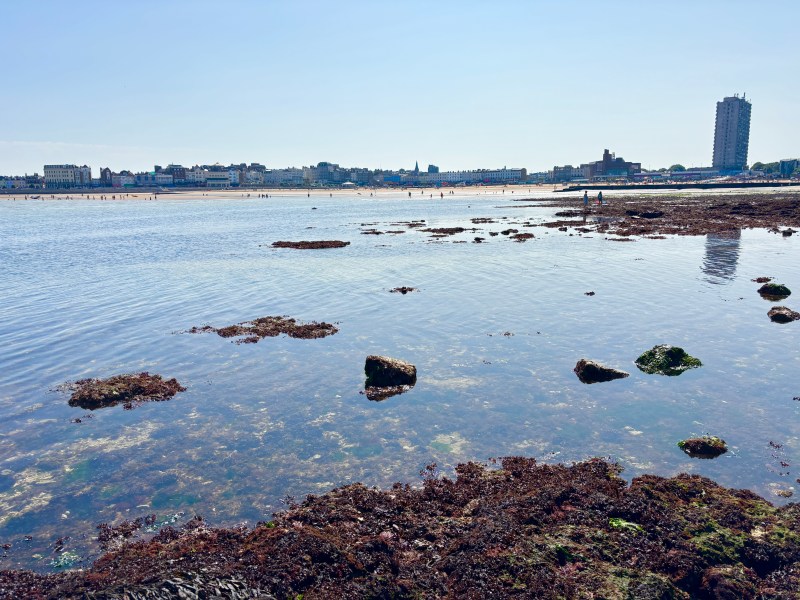
How the Summer Seashore Safari works
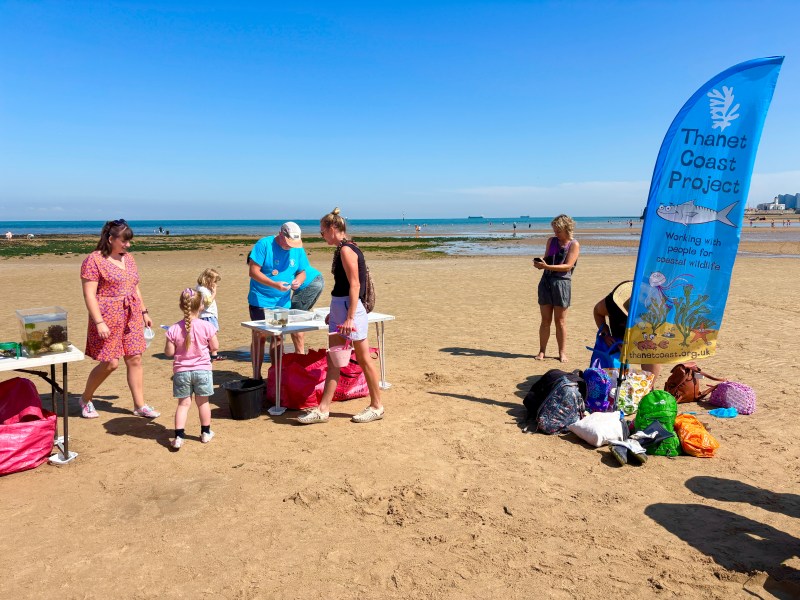
We registered online for a morning session at Margate Main Sands Beach. On arrival, the friendly team explained the plan, took an optional small donation, and handed out a pocket seashore spotting booklet with a pencil for ticking off finds.
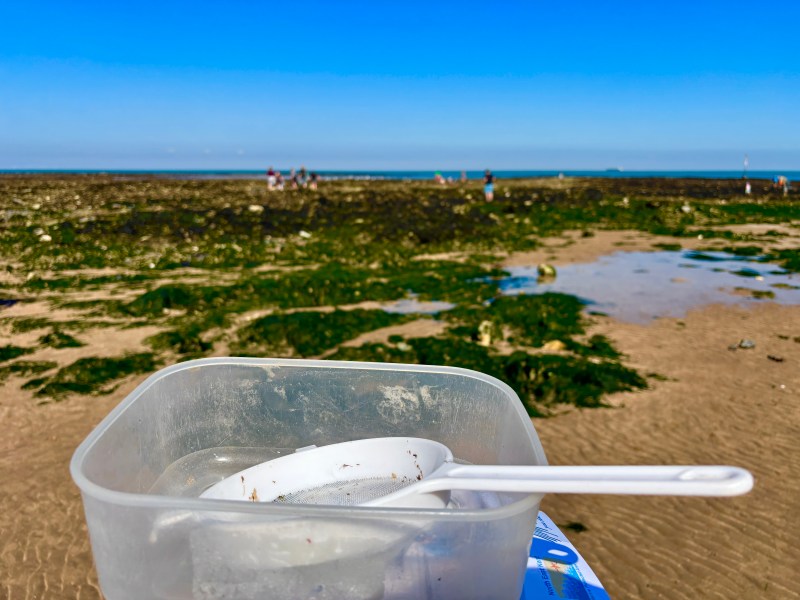
We were given a tub and a small net or sieve and shown how to half-fill the tub with clean seawater before adding any animals or seaweed for a short look.
Throughout the morning, everyone brought their finds to a pop-up identification table, where volunteers helped name and record species, including any jellyfish washed in by the tide and any mermaid’s purses found on the strandline. Then everything was carefully returned to the exact pool it came from.
What we found in the rockpools
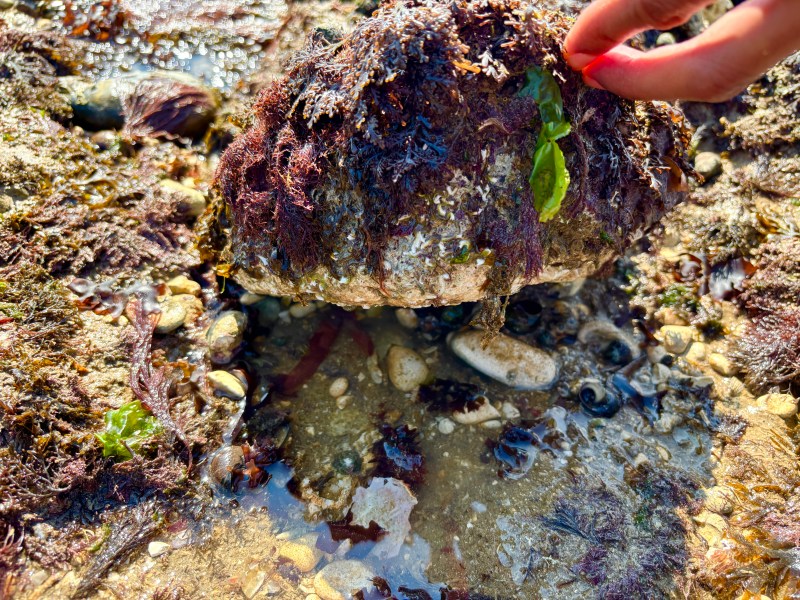
Within minutes we gently lifted a frond of bladder wrack (algae) and a shore crab scuttled sideways into view. We coaxed it into the tub to show the people next to us and we took a quick look at the claws and the green carapace before returning it. On the identification table we saw an edible crab, translucent shrimps, several small gobies and a lively shanny hiding under a pebble. Volunteers showed how beadlet anemones close when touched and how common seaweeds like sea lettuce and carrageen thrive on the chalk reef.
During our visit, we found:
- Shore crabs and edible crabs
- Hermit crabs
- Brown shrimp and prawns
- Gobies and shannies
- Beadlet anemones
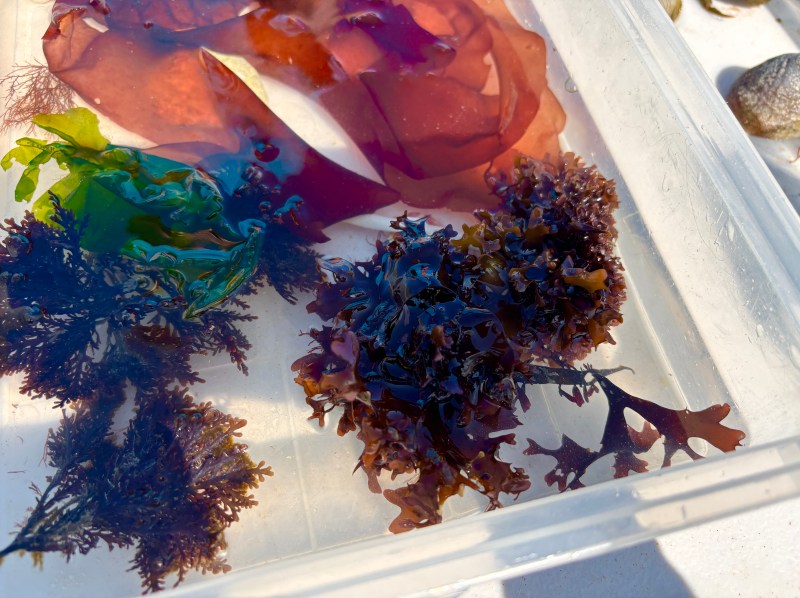
- Sea lettuce, bladder wrack, and carrageen
- Mermaid’s purses from skates and catsharks
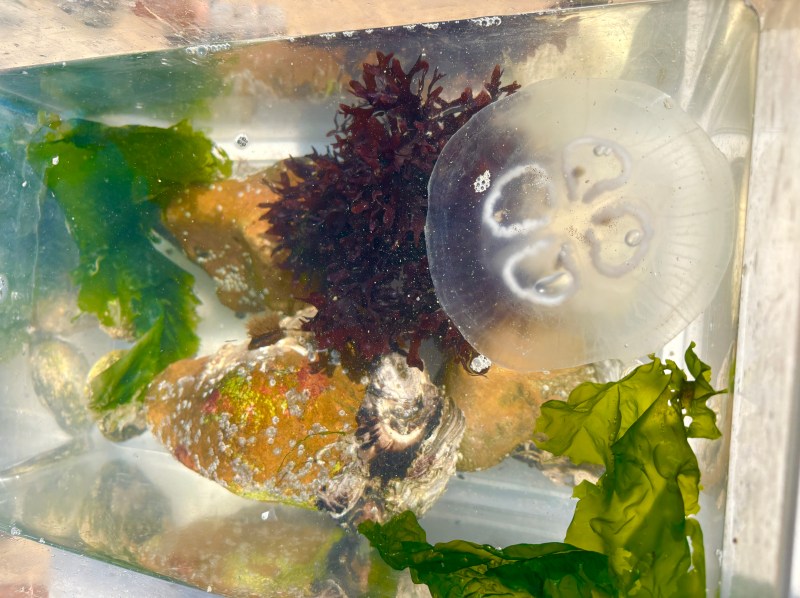
- Jellyfish such as the moon jellyfish and the compass jellyfish (which can give a mild sting)
Along the strandline, we also spotted cuttlefish bones, whelk egg cases, and drift seaweed sheltering tiny creatures.
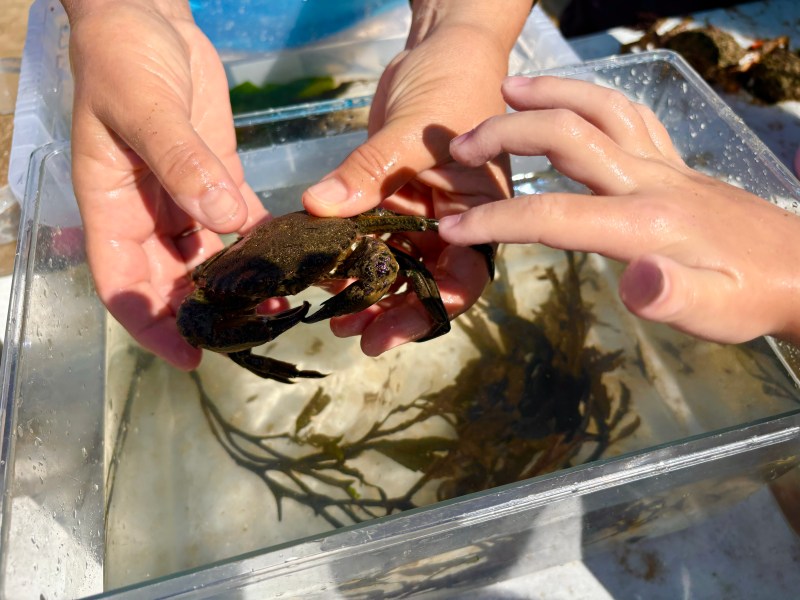
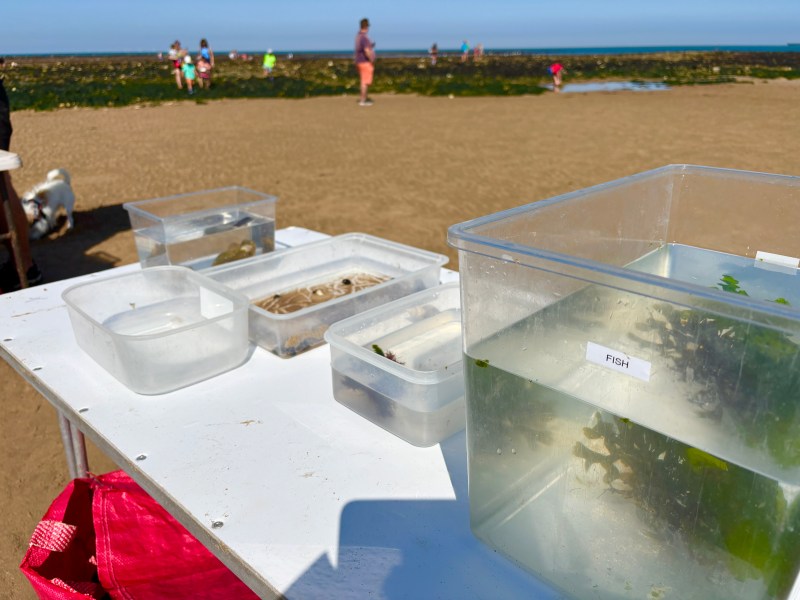
What you might see on the Thanet chalk reef and a comprehensive list of individual species
Common finds include shore crabs, edible crabs, hermit crabs, brown shrimp, prawns, gobies, shannies, butterfish, beadlet anemones, common starfish, limpets, barnacles, sea lettuce, bladder wrack, pepper dulse and carrageen. Along the strandline, look for cuttlefish bones, whelk egg cases, jellyfish and mermaid’s purses. Use the local pocket guide during your search and note anything unusual for the shorelife recording form.
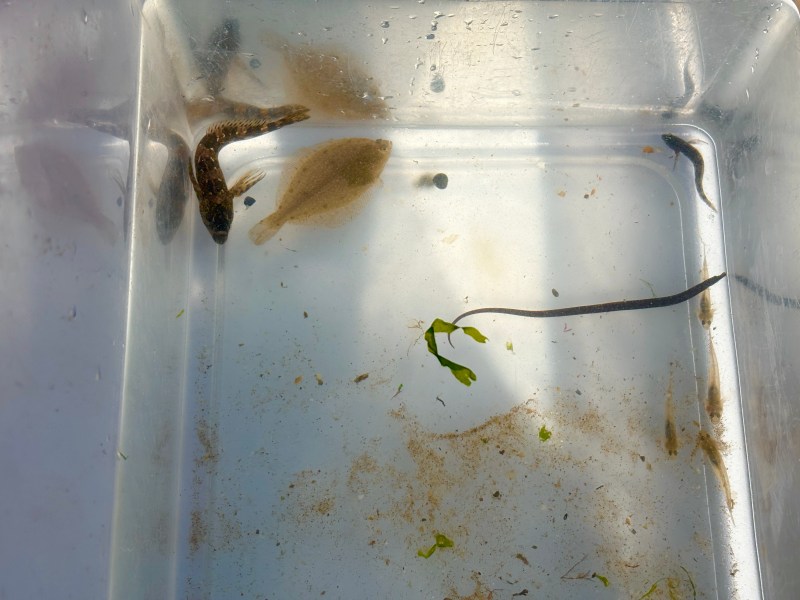
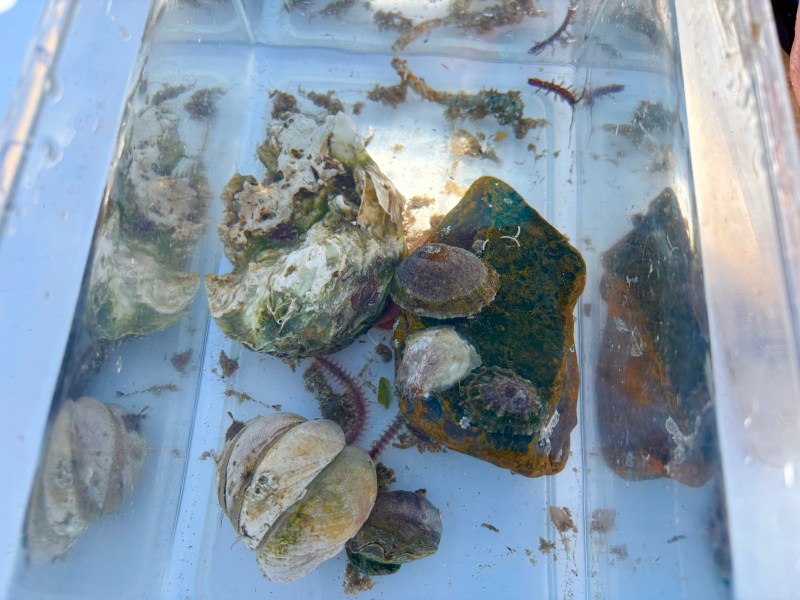
Common organisms
From the booklet handout, we found many different species which might be found on Thanet’s Shores including seaweed, shells, and eggs cases. Notable examples are:
- Hornwrack – A colony of animals called bryozoans that look like seaweed
- Whelk Egg Cases – A whelk is a large sea snail
- White Weed – Organisms that look like seaweed
- Finger Bryozoan – An animal that has many shapes such as branches
- Cuttlefish Bone and Eggs – A sea animal related to squids and octopuses that can change colour
- Mermaid’s Glove – A soft coral that looks like a glove and lives on rocks under the sea
Mermaid’s Purses
Mermaid’s purses are egg cases of sharks, skates and rays. You may spot the egg cases of the following:
- Catshark – A small shark that lives in the seabed
- skate – A type of fish with a flat body and wing-like fins
- Ray – A flat-bodied fish related to sharks, with wide fins that look like wings
Jellyfish
Jellyfish can get washed onto the shore. It is advised to ever touch them with bare hands as they can all sting. You may be able to find the following on Thanet’s coast:
- Moon jellyfish – A soft, see-through jellyfish that floats gently in the water. Its round, glowing body looks a bit like a flying saucer
Worms
Bristle worms are known as detritivores which means they feed of dead fish, leftovers and excrement of other creatures. They can help clean up dirt. The following can be found on the Thanet shore:
- Keel Worn – A small, soft worm that lives in the sand and helps keep beaches clean
- Sand Mason Worm – A worm that builds little sand tubes to live in, like a tiny underwater architect
- Spiral Worm – A worm with a coiled, spiral-shaped tube it makes in the sand
- Lug Worm – A chunky worm that burrows in the sand and leaves funny little coiled casts on the beach
Molluscs
Molluscs are invertebrates (without a backbone) known for their soft bodies and often a hard shell. Examples include:
- Common Whelk – A large sea snail with a spiral shell that lives in sandy or muddy seas
- Dog Whelk – A small sea snail that likes to eat other shells in rock pools.
- Netted Dog Whelk – A dog whelk with a shell covered in net-like patterns)
- Common Limpet – A cone-shaped sea snail that sticks tightly to rocks.
- Slipper Limpet – A shell that looks like a little slipper and often sits on other shells.
- Chiton – A small, flat sea creature with a shell made of plates that hugs rocks.
- Purple Topshell – A shiny, purple-colored snail that lives on rocks by the sea.
- Edible Winkle – A tiny snail that lives in rock pools and can be eaten by people.
- Flat Winkle – A small, flat sea snail often hiding under stones.
- Rough Winkle – A snail with a bumpy shell found clinging to rocks.
- Grey Top Shell – A grey, cone-shaped snail that lives on rocky shores.
- Pacific Oyster – A big, rough shellfish that lives in the sea and can make pearls.
- Common Mussel – A black or blue shellfish that grows in clusters on rocks or piers.
- Piddock – A boring sea snail that drills holes into wood or rocks to live in.
Crustaceans
Crustaceans have hard external skeletons. Common types are crabs, lobsters, and shrimps. Here’s what you can find:
- Shore Crab – A small crab with a round shell that scuttles along rocks and sand
- Edible Crab – A big crab with strong claws that people can eat
- Velvet Swimming Crab – A fast swimmer crab with a soft, velvety shell and paddle-like legs
- Hermit Crab – A crab that lives in an old shell it carries on its back
- Squat Lobster – A tiny lobster with long claws that likes to hide in rocks
- Brown Shrimp – A small, brown shrimp that swims in shallow water and sand
- Prawn – A slightly bigger shrimp with long legs and a curved body
- Barnacles – Tiny sea creatures that stick to rocks, boats, and shells and don’t move around
Starfish and Sea Urchins
Starfish and sea urchins (spiky invertebrate creatures) that can be found include:
- Sea Urchins – Spiky, round creatures that roll slowly along the sea floor
- Common Starfish – A star-shaped animal that can grow back its arms if they break
- Brittle Star – A star-shaped creature with thin, bendy arms that move quickly to hide in rocks
Seaweed
Seaweeds are algae. They play an important part in the marin ecosystem by providing oxygen, food and habitat for other organisms. You can find the following on Thanet’s beaches:
- Sea Lettuce – Bright green, leaf-like seaweed that floats in the water
- Bladder Wrack – Brown seaweed with little bubble-like bladders that help it float
- Gut Weed – Slimy, tube-shaped green seaweed that grows on rocks
- Saw Rack – Tough, brown seaweed with saw-like edges
- Carrageen – Soft, brown seaweed often used in food and desserts
- Wireweed – Thin, wiry brown seaweed that wraps around rocks
- Pepper Dulce – Dark green seaweed with a peppery taste and finger-like fronds
- Oar Weed – Large, brown seaweed shaped like an oar, with a thick stem
- Sugar Kelp – Long, dark brown seaweed with a sweet taste and wavy fronds
Anemones
Anemones are the invertebrate (without a backbone) animals that look like flowers. They have small stinging cells to catch prey. Examples that you may find include:
- Beadlet Sea Anemone – A colourful, flower-like creature that sticks to rocks and waves its tentacles in the water
- Breadcrumb Sponge – A soft, squishy sea sponge that looks a bit like crumbled bread
Fish
Fish are sea animals with internal bones, gills (for breathing), fins and tails (for swimming). Here is what you may find:
- Shanny – A small, slimy fish that hides in rock pools and seaweed
- Sand Goby – A tiny fish that burrows in the sand and flicks its tail to swim
- Five-Bearded Rockling – A long, slender fish with little whiskers on its face
- Butterfish – A smooth, silvery fish that glides easily through the water
- Long-Spined Fish – A fish with long, pointy spines on its back for protection
A number of factors determines where certain organisms will be found. These include sunlight, temperature, salinity and competition.
Family-friendly and great for beginners
The guided safaris are designed with families in mind and typically last around two hours with expert volunteers on hand. Sessions are suitable for young children with a responsible adult, and a small donation helps support conservation and education on the coast.
How to rockpool
Time your visit with the tide
Aim for a falling tide so new pools are exposed and you are never cut off by incoming water. Always read local beach boards and check tide times before you start.
Work slowly and look closely
We knelt at the edge of pools, gently parted the seaweed and looked for movement. Lifting stones only when needed and always putting them back exactly as found helps protect the micro-habitats beneath.
Use your tub as a mini aquarium
We filled ours with seawater first, then added one animal at a time for a quick observation. Keeping crabs separate stopped them from fighting, and we made sure to return everything within a few minutes.
Record and release
We used the booklet to tick off our finds and took a few photos before returning animals and seaweeds to their exact spot.
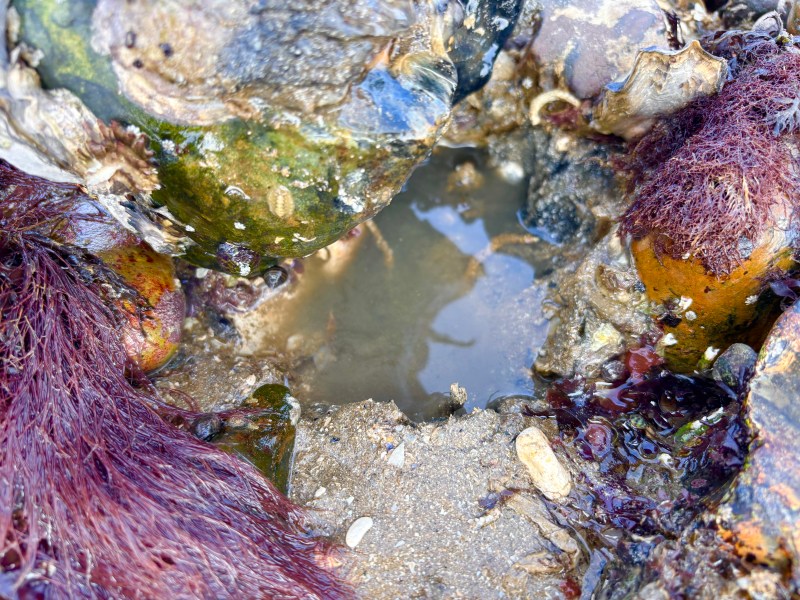
Essential Rockpooling Equipment
- Sturdy shoes or wellies with good grip
- Small bucket or clear tub
- Hand net or kitchen sieve
- Spotting guide or ID booklet
- Sunscreen, water, and a windproof layer
Safety and the Seashore Code
- Check tide times and your exit route
- Walk slowly as seaweed and rocks can be slippery
- Handle wildlife gently; never prise animals or seaweed from rocks
- Keep one crab per tub to avoid stress or injury
- If stung or swept into deeper water, follow Float to Live guidance and seek help immediately
Responsible recording
If you find jellyfish, take a quick photo from a safe distance and submit to the Marine Conservation Society sightings project. For mermaid’s purses, use the Shark Trust online key or app and record the species if you can. These simple actions contribute to real research and help protect our seas.
When to Go Rockpooling in Thanet
Rockpooling is possible year-round, but the best time is during the warmer months from late spring to early autumn when tides expose more of the chalk reef and weather conditions are kinder. Safaris usually take place during school holidays. Check the Thanet Coast Project event calendar for upcoming dates.
Our Favourite Moments from the Pools
The highlight for us was lifting a clump of seaweed to find a tiny fishes darting between shells, while a little boy next to us shouted with excitement at spotting a crab. We compared notes, admired the colours on an edible crab, and then returned everything to its home. It was simple, hands-on science with a big grin factor.
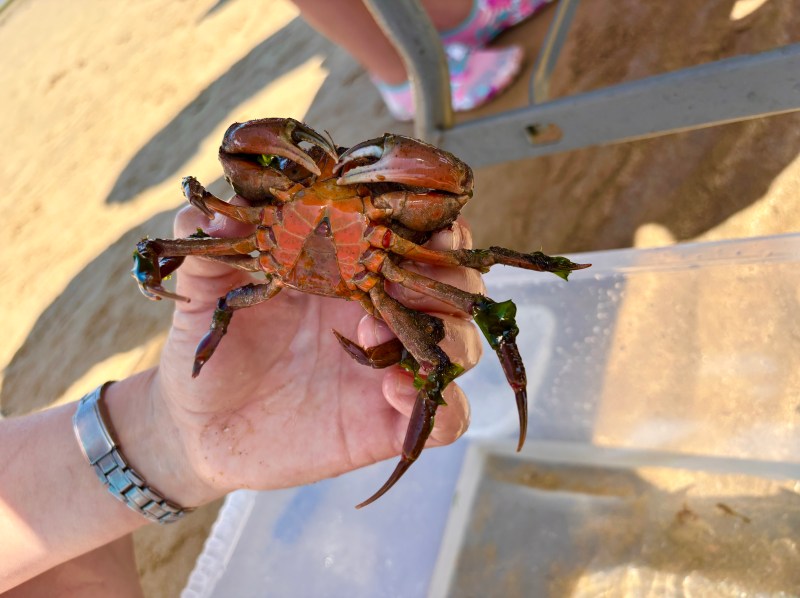
Where the Seashore Safaris Take Place
These free family-friendly events run throughout the summer at different Thanet bays:
- Ramsgate Western Undercliff
- Reculver Country Park
- Minnis Bay East (Birchington)
- West Bay (Westgate-on-Sea)
- St Mildreds Bay (Westgate-on-Sea)
- Nayland Rock (Margate)
- Margate Mains Sands Beach
- Walpole Bay (Margate)
- Botany Bay (Broadstairs)
- Joss Bay (Broadstairs)
- Stone Bay (Broadstairs)
- Louisa Bay (Broadstairs)
- Dumpton Gap (Broadstairs)
- Ramsgate Eastcliff
Other events run by the Thanet Coast Project this summer have included:
- Great Eggcase & Scavenger Hunts – Find clues of life and shark egg cases
- Seaweed & their Secrets – walk and learn all about seaweed
- White Cliffs of Kingsgate – walk and learn about the stunning cliffs on Kingsgate
- Chalk Flora & Bumblebees – learn about chalk grassland
- Great British Beach Cleans – take part in beach cleans to remove litter as part of a national campaign for cleaner UK beaches.
Thanet Coast Project
Thank you to the Thanet Coast Project for running the Summer Seashore Safaris and making rockpooling in Thanet accessible, educational, and fun for all ages. Their dedicated team of volunteers and marine experts help protect our unique chalk reef habitat and inspire people to connect with the coast. To learn more about their work, upcoming events, and how to get involved, visit the Thanet Coast Project website.
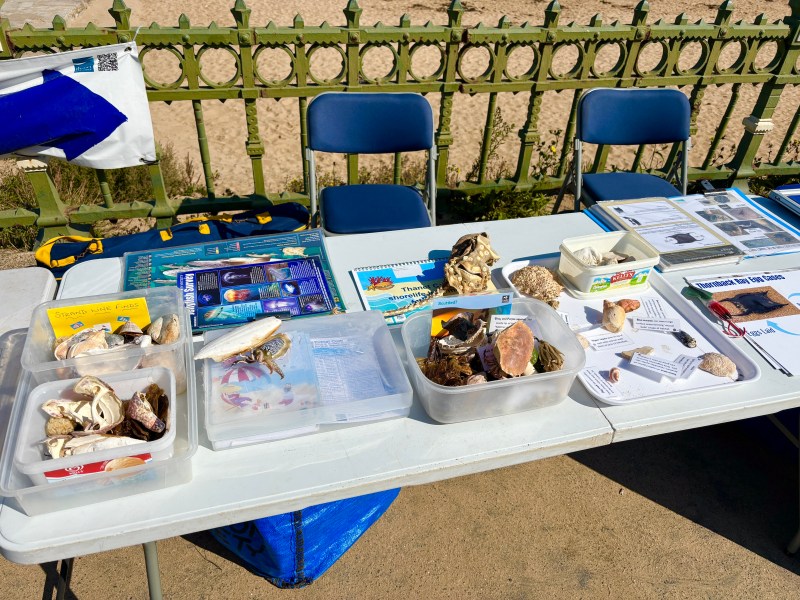
Explore Margate after your rockpool adventure
After rockpooling, we love to enjoy Margate’s other attractions:
- Dreamland – classic rides and seasonal events
- Margate Old Town – quirky shops, vintage stores, and art galleries
- Turner Contemporary – free entry to exhibitions inspired by the sea
- Walpole Bay Tidal Pool – one of the largest in the UK
Frequently Asked Questions
Where can I go rockpooling in Thanet?
Popular bays include Reculver Bay, Minnis Bay (Birchington), West Bay (Westgate-on-Sea), St Mildreds Bay (Westgate-on-Sea), Nayland Rock (Margate), Walpole Bay (Margate), Botany Bay (Broadstairs), Joss Bay (Broadstairs), Stone Bay (Broadstairs), Louisa Bay (Broadstairs), Dumpton Gap (Broadstairs), Ramsgate Eastcliff and Ramsgate Western Undercliff. Guided safaris rotate through these locations in summer.
What is the best time to rockpool in Margate?
About one hour before low tide until the tide turns. Spring tides expose the largest area.
Is rockpooling safe for children?
Yes, with adult supervision and safe footwear. Organised safaris are ideal for beginners.
How do I identify mermaid’s purses and why record them?
Use the Shark Trust ID key or app to tell skate and catshark cases apart and submit your finds to support marine research.
What creatures can you find rockpooling in Margate?
Margate’s chalk reef supports shore crabs, edible crabs, hermit crabs, starfish, gobies, shannies, blennies, prawns, shrimps, beadlet anemones, limpets, sea snails, barnacles, sea squirts, and seaweeds such as carrageen and bladder wrack. At certain times, you may also spot jellyfish, cuttlefish bones, and mermaids’ purses.
Is Margate good for rockpooling all year round?
Yes, but summer and early autumn offer the best conditions due to warmer weather and calmer seas. Winter rockpooling can still be rewarding, but requires warm waterproof clothing and extra care on slippery rocks.
Do I need permission to rockpool on the Thanet coast?
You do not need special permission for recreational rockpooling, but it is strongly encouraged to follow the Seashore Code, check tide times, and join an organised event if you are new to the activity.
Are dogs allowed on rockpooling beaches in Thanet?
Dog restrictions vary by beach and season. For example, Margate Main Sands has seasonal dog bans in summer, while Dumpton Gap (Broadstairs) is dog-friendly year-round. Always check Thanet District Council’s latest beach dog rules before visiting.
What should I wear for rockpooling?
Wear sturdy shoes or wellies with good grip, quick-dry clothing, and a waterproof or windproof layer. In summer, add sunscreen and a hat; in cooler months, bring gloves and extra warm layers.
Can you eat crabs or shellfish found in rockpools?
For conservation and safety reasons, it is recommended not to take or eat any rockpool creatures. Many species are protected, and rockpools are essential nursery habitats.
Is rockpooling safe for toddlers?
Yes, with close adult supervision and in calm conditions. Choose beaches with gentle slopes and wide intertidal zones, such as Botany Bay or Minnis Bay.
What is the best tide time for rockpooling?
Start about one hour before low tide and explore until the tide turns. Low spring tides expose the largest area of rockpools.
How can I tell if a jellyfish is dangerous?
Most jellyfish found in Thanet, like the moon jellyfish, are considered harmless to humans in terms of poison but they will sting . Species such as the compass jellyfish can cause mild stings. Do not touch jellyfish with bare skin; take photos for identification instead.
Can I rockpool on my own?
Yes, but it is safer and more fun with others. Organised rockpooling events like the Summer Seashore Safaris provide expert guidance and extra safety measures.
 Sandgeek