Posted:
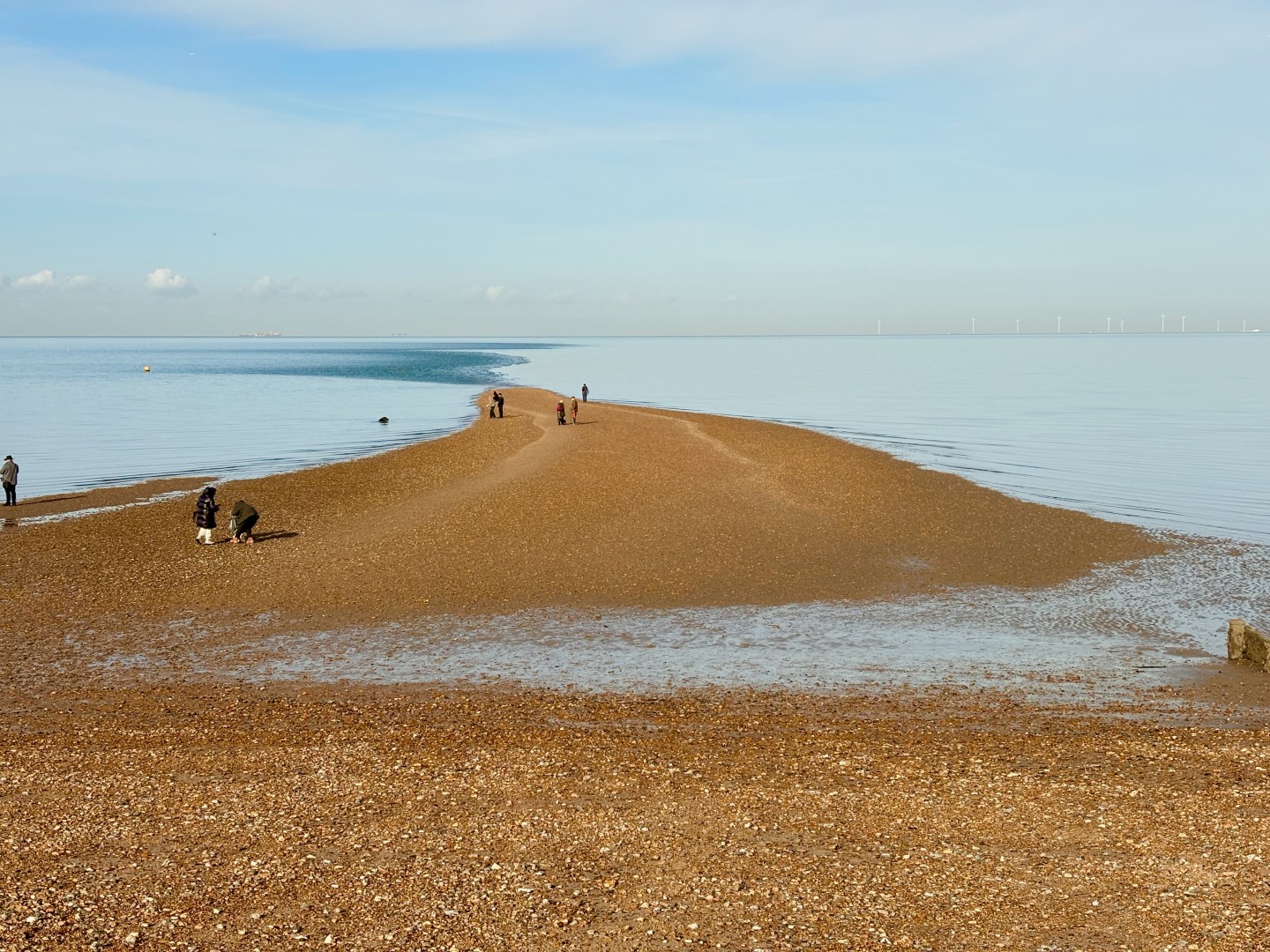
Kent has one of the most varied coastlines in England, which is why one of the most common questions is:
Should you choose a sandy beach or a pebble beach in Kent?
The answer depends entirely on the kind of day you want. Kent offers everything from wide sandy beaches perfect for families to dramatic shingle coastlines, hidden coves, harbour beaches and wild estuary shores.
This guide provides a complete breakdown of sandy vs pebble beaches in Kent, including:
- Expert tips to help you choose the best beach
- The real differences between sand and shingle beaches
- Which is better for swimming, families, walking and relaxing
- A full list of Kent beaches categorised by type
Contents
Sandy vs Pebble: What’s the Difference?
Full List of Sandy Beaches in Kent
Full List of Pebble and Shingle Beaches in Kent
Isle of Sheppey: Sheerness and Leysdown
Gravesend and the Thames Estuary Coastline
Isle of Sheppey: Sheerness and Leysdown
Best Sandy Beaches for Families
Best Pebble Beaches for Quiet Escapes
Best Mixed Beaches (Sand + Pebbles)
Best Beaches for Walking and Scenery
How to Choose Between Sand and Pebbles
Sandy vs Pebble: What’s the Difference?
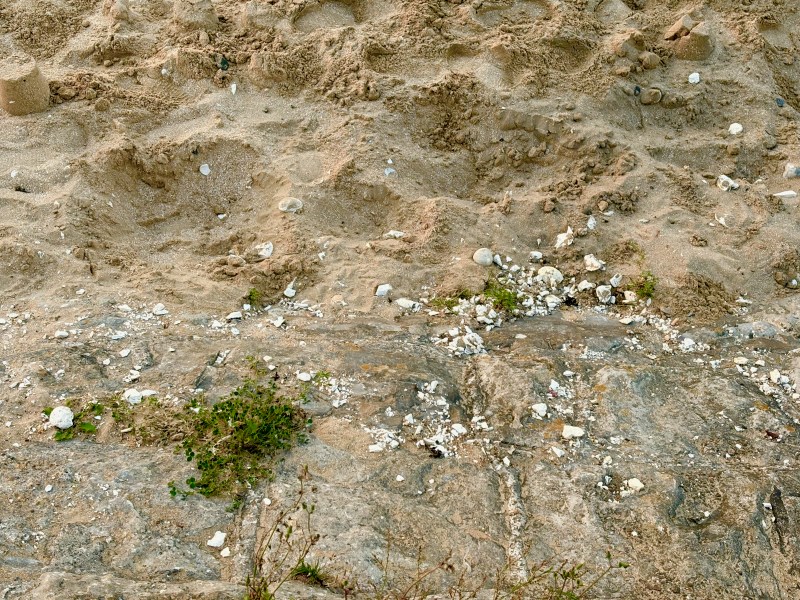
Sandy beaches feel softer underfoot, are usually better for sunbathing and sandcastles, and tend to be the first choice for families with younger children. They also often have a more classic holiday feel, especially when they are paired with promenades, beach huts, cafés and amusement areas.
Pebble beaches, on the other hand, often feel cleaner, quieter and more dramatic, especially in places with cliffs, harbours or open coastal views. They are usually less suited to barefoot lounging and sandcastle building, but they can be better for walking, photography and peaceful visits away from the busiest tourist strips.
Kent is especially interesting because many beaches are not purely one thing or the other. Some are sandy at low tide and shingle at high tide, while others mix sand and pebbles in the same bay, which is why local tide times and beach conditions matter so much when planning a visit.
Sandy Beaches
Sandy beaches are typically:
- Soft underfoot and comfortable for long stays
- Ideal for sunbathing and relaxing
- Perfect for families and children
- Better for sandcastles and beach games
However:
- Sand can get crowded in peak summer
- Some beaches only reveal sand at low tide
- Wind can blow sand, making conditions uncomfortable
Best for: Families, swimming, classic seaside days, relaxing
Pebble and Shingle Beaches
Pebble (shingle) beaches are:
- Made up of stones rather than sand
- Usually cleaner and less muddy
- Often quieter and less crowded
- Found in more dramatic coastal locations (cliffs, harbours)
However:
- Not comfortable sitting on without a chair
- Harder for children to play on
- Can be steep into the water
Best for: Walking, photography, quiet escapes, scenic views
Mixed Beaches (Common in Kent)
Many Kent beaches are not purely sand or pebbles.
You’ll often find:
- Sand at low tide, shingle at high tide
- Mixed shorelines within the same bay
- Completely different experiences depending on the tide time
This is why checking tide times is essential.
Full List of Sandy Beaches in Kent
Below is a complete list of sandy beaches in Kent, including smaller bays and lesser-known coastal spots often missed by other guides.
Thanet Coast (Top Sandy Area)
- Viking Bay (Broadstairs) – iconic sandy bay with harbour, promenade and classic seaside feel
- Margate Main Sands – large, central sandy beach with easy access and attractions
- Botany Bay (Broadstairs) – sandy beach at low tide with dramatic chalk stacks
- Minnis Bay (Birchington) – wide, flat sandy beach ideal for families and sunsets
- Joss Bay (Broadstairs) – sandy surfing beach popular for waves and coastal views
- West Bay (Westgate-on-Sea) – sandy, quieter beach with groynes and open space
- St Mildred’s Bay (Westgate-on-Sea) – sheltered sandy bay ideal for families
- Stone Bay (Broadstairs) – quieter sandy beach backed by cliffs and coastal paths
- Westbrook Bay (Margate) – a less crowded sandy beach between Margate and Westgate
- Ramsgate Main Sands – a central sandy beach close to the harbour and town
- Kingsgate Bay (Broadstairs) – secluded sandy cove beneath cliffs with limited access
- Palm Bay (Margate) – quieter, sandy and shingle beach with long promenade
- Dumpton Gap (Broadstairs) – sandy beach at low tide with sloping access path
- Louisa Bay (Broadstairs) – a small sandy bay next to Viking Bay with calm waters
- Walpole Bay (Margate) – a large tidal pool with surrounding sandy and shingle areas
- Western Undercliff (Ramsgate) – long coastal stretch with mixed sand and shingle
- Fulsam Rock (Margate) – rocky and sandy shoreline with tidal features
- Epple Bay (Birchington) – a small sandy bay popular for rock pools at low tide
- Pegwell Bay (Ramsgate) – a large, open bay with mudflats, sand and a nature reserve
- Broadstairs Undercliff – coastal path with small beach sections below cliffs
- Grenham Bay (Birchington) – quieter, sandy and shingle beach west of Minnis Bay
South Kent Sandy Beaches
- Sunny Sands (Folkestone) – a small but popular sandy area
- Dymchurch Beach – long, flat, family-friendly sand
- St Mary’s Bay – quieter sandy stretch
- Greatstone Beach – huge open sandy landscape
- Camber Sands (near the Kent border) – a major sandy destination
Full List of Pebble and Shingle Beaches in Kent
Below is a complete list of pebble/ shingle and mixed beaches in Kent, including smaller bays and lesser-known coastal spots often missed by other guides.
East Kent (Dover Cliffs)
- Dover Harbour Beach – a central shingle beach with views of the White Cliffs and a busy port
- St Margaret’s Bay – sheltered pebble cove beneath chalk cliffs with clear water
- Deal Castle Beach – long, flat shingle beach beside historic Deal seafront
- Samphire Hoe Beach (Dover) – reclaimed coastal nature reserve with shingle shoreline and cliff backdrop
- Kingsdown Beach – quiet shingle beach with colourful cottages and village feel
- Shakespeare Beach (Dover) – small, often quiet shingle beach at the base of the cliffs
- Walmer Beach – peaceful continuation of Deal’s shingle coastline with fewer crowds
- Sandwich Bay – private, dune-backed beach with sand and shingle stretches
Folkestone & South Coast
- Mermaid Beach (Folkestone) – small sandy patch at low tide near the Harbour Arm
- Sandgate Beach – long, quiet shingle beach popular with locals and walkers
- Hythe Beach – wide, pebbly shoreline backed by promenade and town
- Dungeness – vast shingle landscape with unique, exposed coastal scenery
- Littlestone – open, quieter beach with sand and shingle mix
- The Warren (Folkestone) – wild, landslip-formed coastline with secluded beach areas
- Abbot’s Cliff Beach (Folkestone) – remote, cliff-backed beach reached by steep coastal paths
North Kent & Estuary Coast
- Tankerton Beach – shingle beach with sandy flats at low tide and sea wall promenade
- Whitstable Beach Front – busy shingle shoreline lined with huts, cafés and harbour access
- Herne Bay Central Beach – traditional seaside beach with a mix of shingle and sand
- Reculver Bay – exposed coastline with shingle beach and historic towers
- West Beach (Whitstable) – quieter shingle stretch west of the main harbour
- Seasalter Beach – peaceful, undeveloped shingle beach with big open views
- Swalecliffe Beach – quiet, local beach with a mix of shingle and sand
- Studd Hill Beach (Herne Bay) – residential, quieter beach with shingle and sand mix
- Hampton Beach (Herne Bay) – small, local beach with groynes and mixed shoreline
- Beltinge Bay (Herne Bay) – open coastal stretch below cliffs with shingle beach
- Sheerness Beach (Isle of Sheppey) – accessible seafront beach with sand and shingle
- Minster Leas Beach (Isle of Sheppey) – promenade-backed beach popular for walks and views
- Leysdown Beach (Isle of Sheppey) – sandy, family-friendly beach with traditional seaside feel
- Shellness Beach (Isle of Sheppey) – remote, quiet beach with open estuary views
- Allhallows Beach (Medway) – remote estuary shoreline with mudflats and big skies
- Coombe Point Beach (Medway) – quiet riverside beach along the Medway estuary
- St Mary’s Bay (Medway) – small, local shoreline with mixed sand and shingle
- Yantlet Beach (Medway) – isolated estuary beach with marshland surroundings
- Isle of Grain Beach (Medway) – exposed, industrial-edged shoreline at the Thames estuary
- Upnor Beach (Medway) – small riverside beach with historic village backdrop
- Egypt Bay (Medway) – remote estuary beach with marshes and wide open views
Best Sandy Beaches in Kent
Broadstairs: Viking Bay, Stone Bay, Joss Bay and Botany Bay
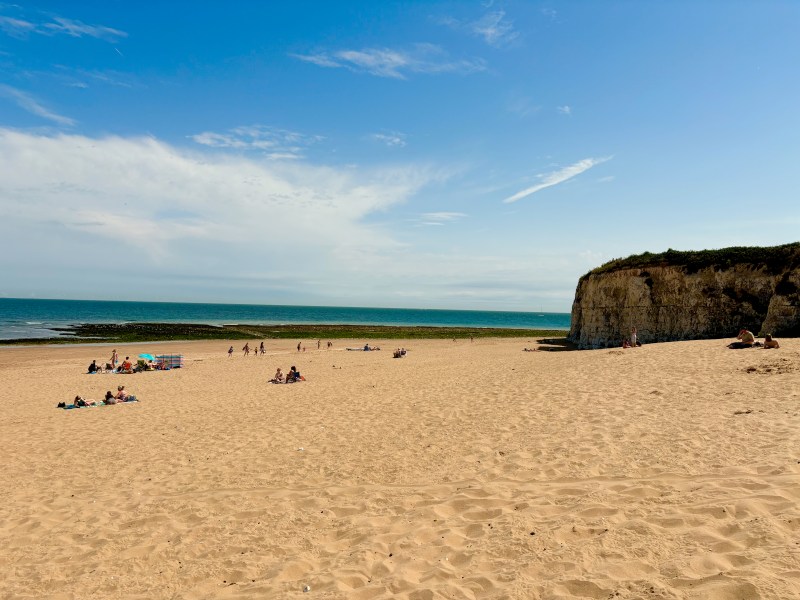
Broadstairs is one of the strongest choices in Kent if you want a proper sandy beach day. Viking Bay is the best-known beach in town, with a sheltered feel and a classic family-friendly setup, while nearby bays like Joss Bay and Botany Bay add more variety for people who want different views and a slightly quieter atmosphere.
Stone Bay is another good option in the Broadstairs area, especially for visitors who like a broader, more scenic beach backed by cliffs and coastal walks. Together, the Broadstairs beaches make this area one of the best all-round sandy seaside destinations in Kent.
Margate
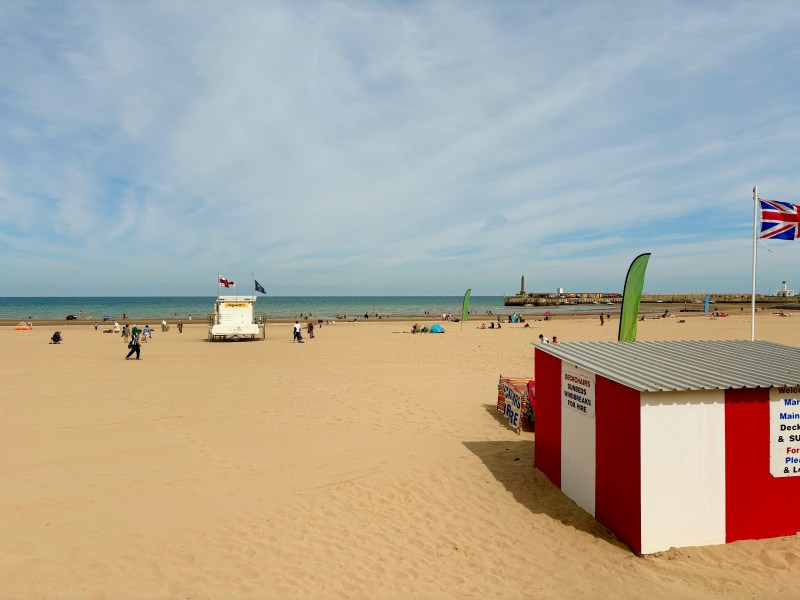
Margate Main Sands is one of the best-known sandy beaches in Kent and remains one of the strongest options for a classic seaside day out. It works especially well if you want a beach combined with arcades, attractions, food and easy access to the town centre.
Margate is also one of the best places to search for things to do other than the beach because it offers more than just sand. That makes it a strong match for couples, groups and anyone planning a lively Kent coast day trip rather than a quiet escape.
Birchington: Minnis Bay
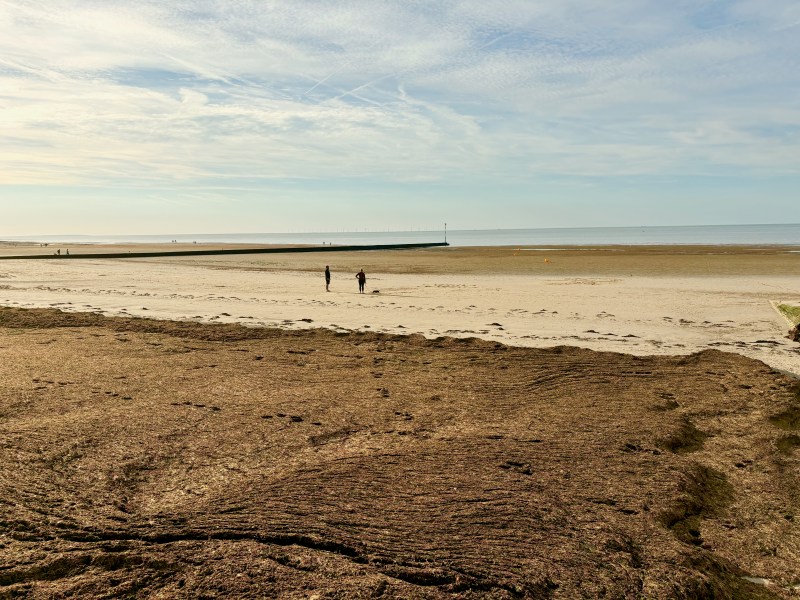
Minnis Bay is one of the most useful sandy beach options in Kent for families and visitors who want more space. It is known for its broad stretch of sand, dunes and easy-going atmosphere, which makes it a popular pick for beach games, paddling and long, relaxed afternoons.
Because it is often less crowded than the bigger resort beaches, Minnis Bay also works well for people searching for quieter sandy beaches near London.
Dymchurch Beach
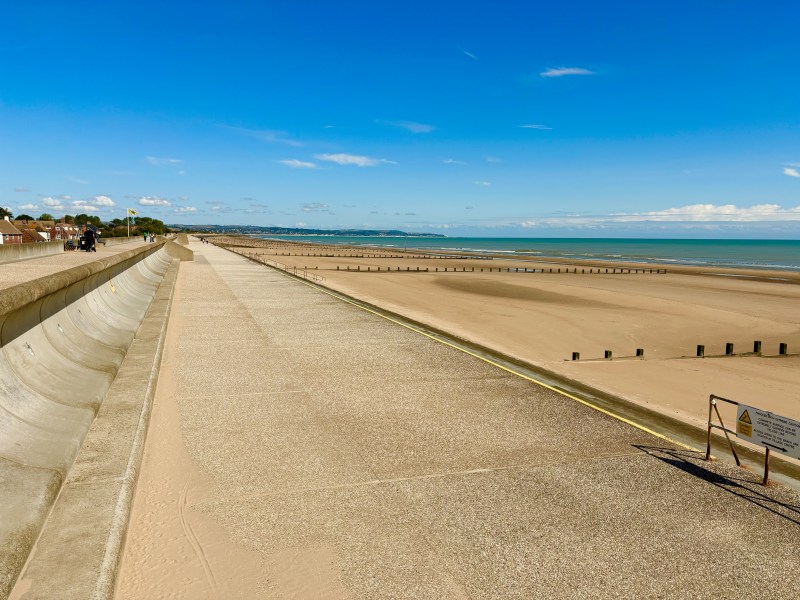
Dymchurch is one of the best sandy beaches in South Kent and is especially good for family days out. It has the kind of traditional seaside atmosphere that many visitors look for, with a long beach and plenty of space for a classic day by the sea.
Greatstone Beach
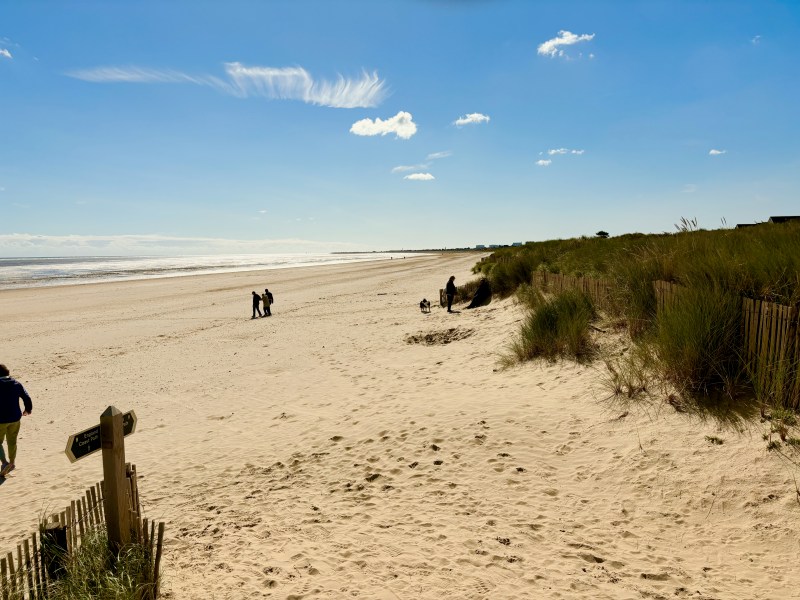
Greatstone is one of the widest and most open sandy beaches in Kent, which makes it a good choice for people who like space, walking and a quieter coastal setting. It is especially strong for families and visitors who want a big beach rather than a packed resort.
Isle of Sheppey: Sheerness and Leysdown
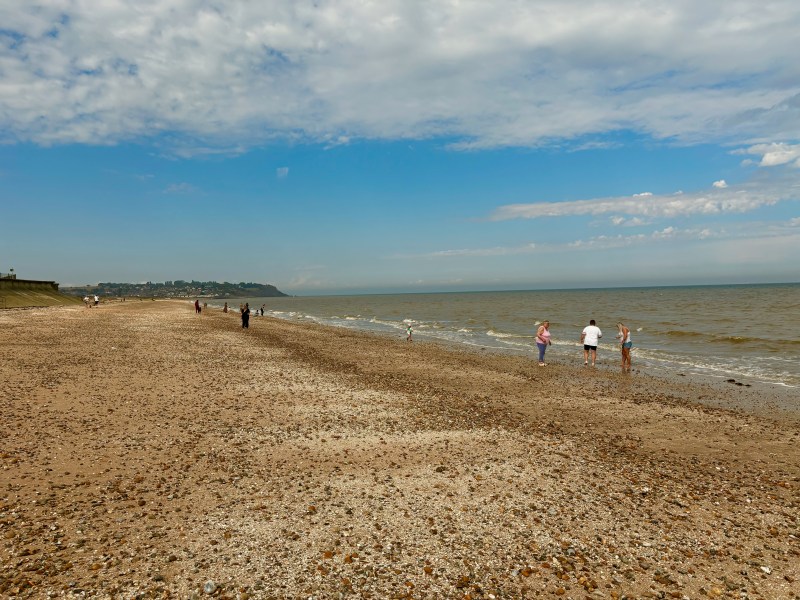
Sheerness and Leysdown give the Isle of Sheppey a mix of traditional seaside and open shoreline. Leysdown is the better-known beach option for sand, while Sheerness offers promenade views and a more classic British resort atmosphere.
Folkestone: Sunny Sands Beach
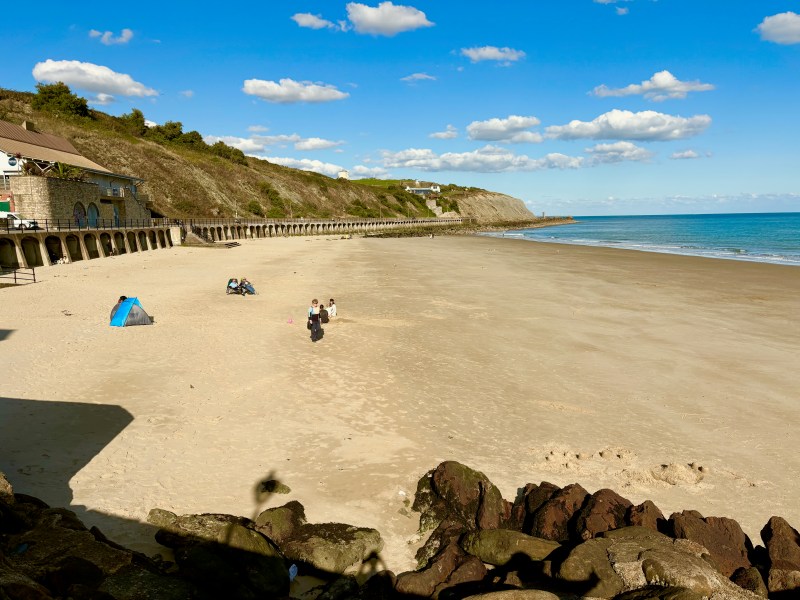
Folkestone is interesting because it offers both sand and shingle, which means it can suit different types of visitors on the same trip. Sunny Sands is the sandy option and is popular for easy access and a more traditional feel.
Best Pebble and Shingle Beaches in Kent
Folkestone: Mermaid Beach
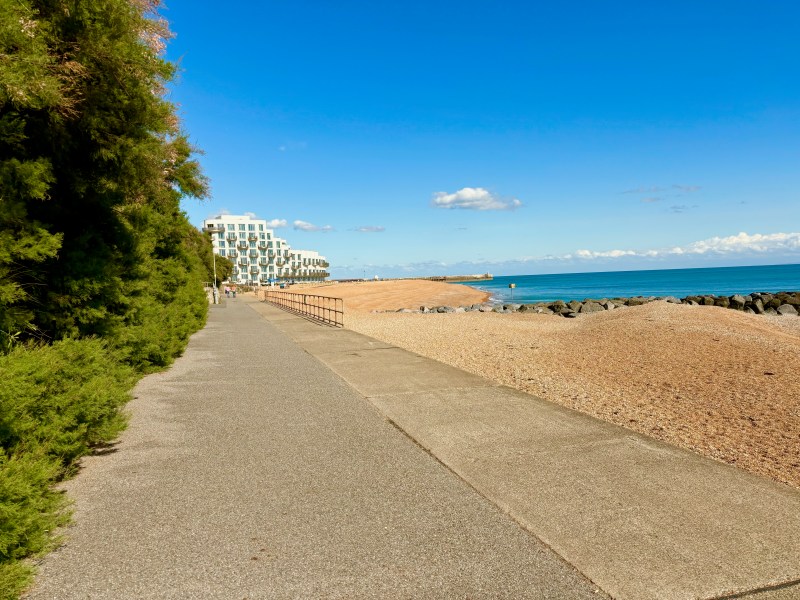
The quieter shingle side of Mermaid Beach and the harbour work better for people who want more space and a less crowded shoreline.
That mix is one reason Folkestone works so well for quality Kent beaches near London and why it makes such a strong day-trip destination.
Dover

Dover is one of Kent’s most iconic pebble beaches, with the added draw of the White Cliffs and the castle above the town. It is best for dramatic scenery, harbour views and watersports rather than soft sand and sunbathing.
Walmer and Kingsdown
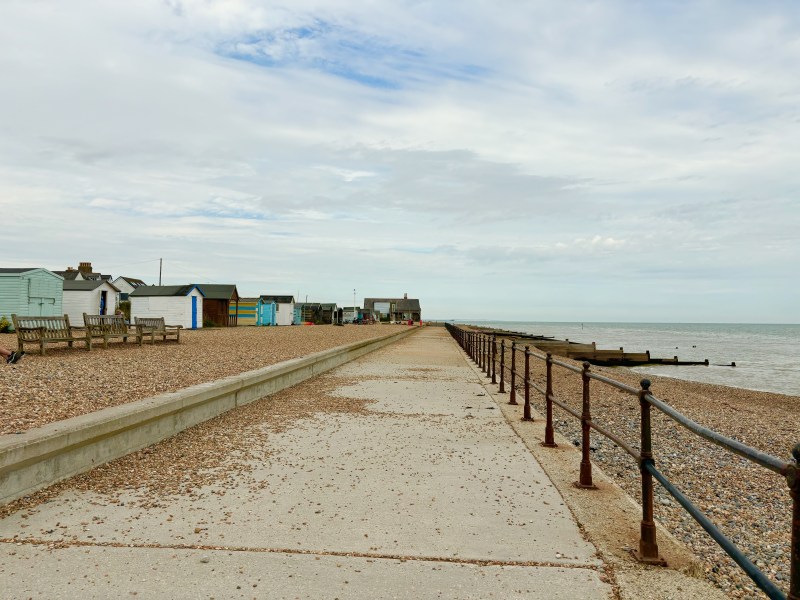
Walmer and Kingsdown are quieter pebble coast options that suit visitors who want peaceful scenery and walking rather than resort-style entertainment. These beaches are especially useful for couples and travellers who prefer a slower pace.
St Margaret’s Bay
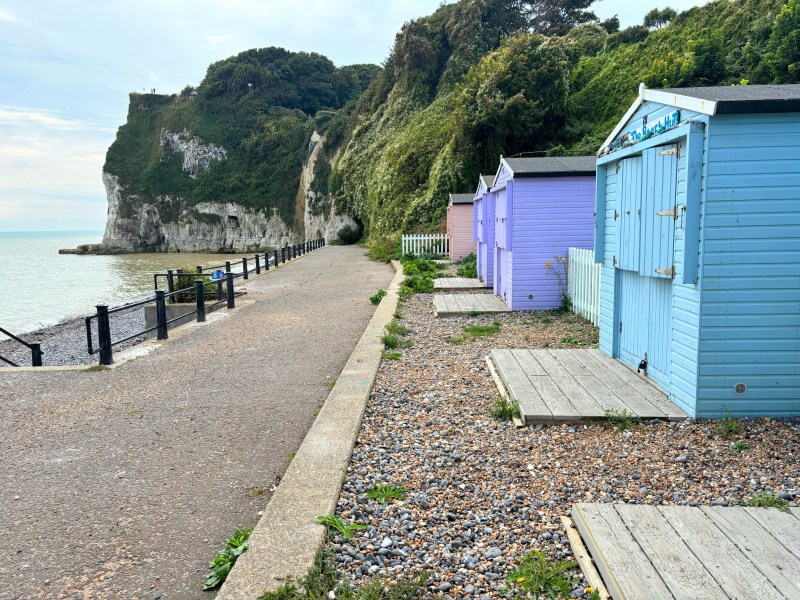
St Margaret’s Bay is one of the most attractive hidden coastal spots in Kent, with chalk cliffs and a sheltered bay that feels more intimate than the larger beaches. It is one of the best choices for scenic pebble coast walks and a quieter day by the sea.
Dungeness
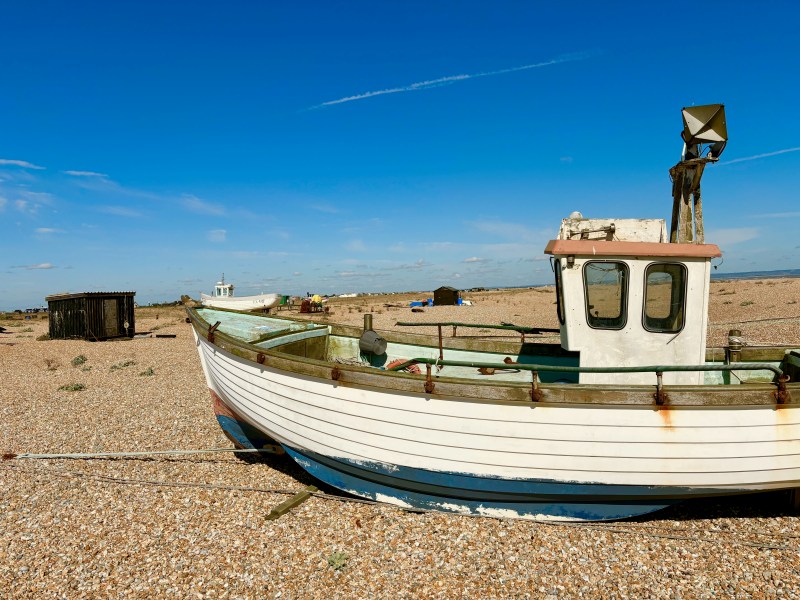
Dungeness is technically more shingle than pebble, but it absolutely belongs in any Kent beach breakdown because it is one of the county’s most unique coastal landscapes. The open, exposed setting makes it ideal for photography, nature watching and visitors who want something very different from a normal seaside town.
Reculver
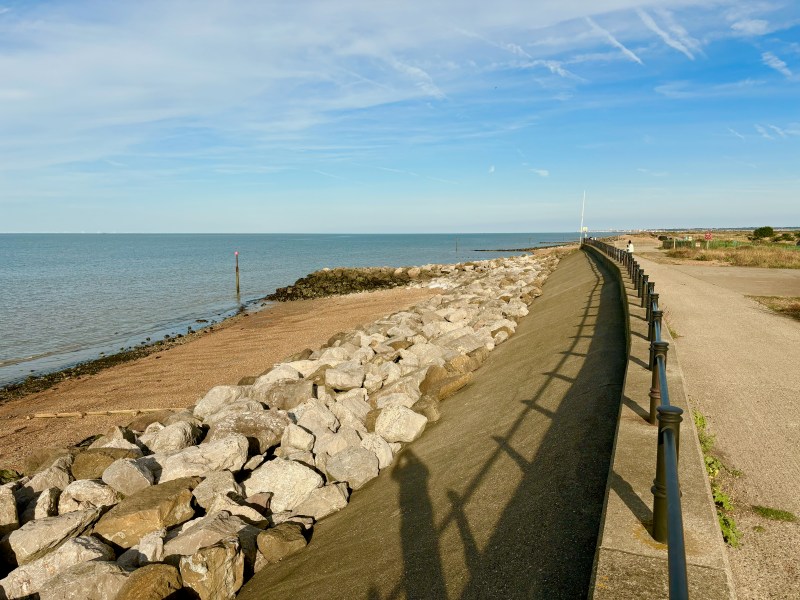
Reculver is another key Kent coast stop, and while it is better known for its towers and walking routes, it also fits the pebble-and-shingle side of the county’s coastline. It is one of the best places for people who want history, sea views and open space in one short trip.
Tankerton
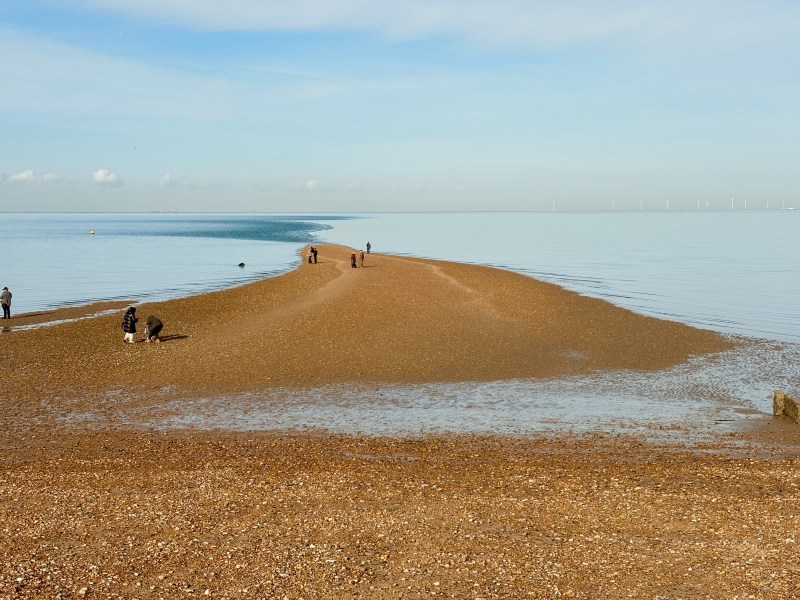
Tankerton near Whitstable is another important mention, especially because of its pebbly shore, promenade and the famous low-tide “Street” that appears as the sea retreats. It is one of Kent’s most useful mixed beaches and appeals to people who want a scenic walk rather than a purely sandy day.
Whitstable
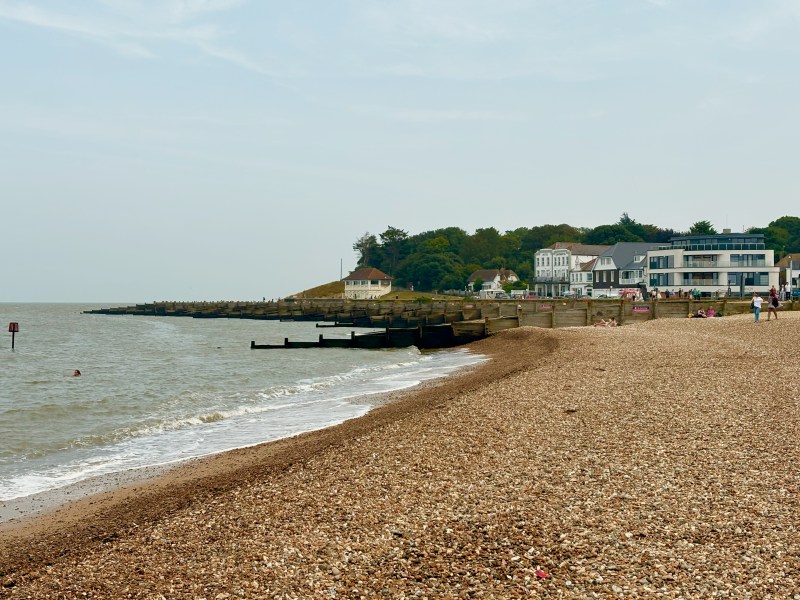
Whitstable is better known for its atmosphere, harbour and food scene, but its beach still plays a major role in why people visit. The shoreline is more shingle than soft sand, yet it remains one of Kent’s most popular coastal stops because of the overall experience.
Herne Bay
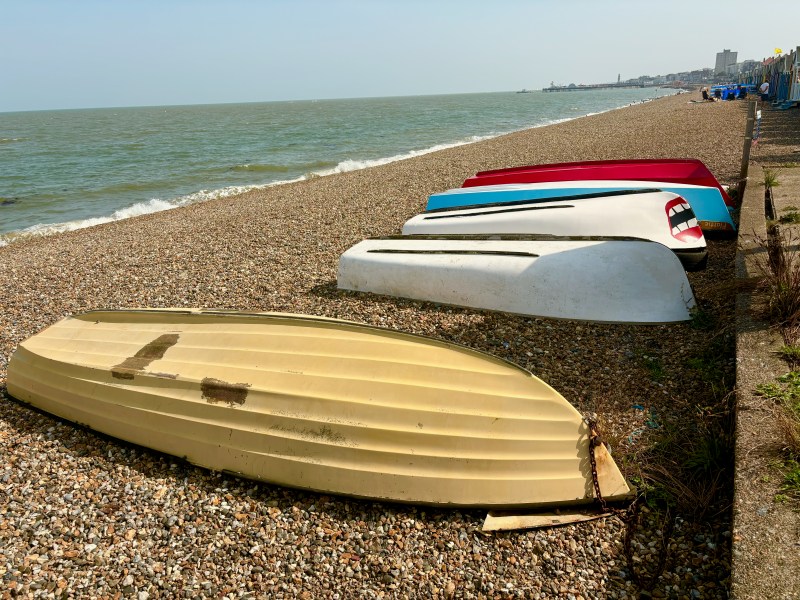
Herne Bay gives visitors a long promenade, a more traditional seaside feel and plenty of room for a day out by the water. The beach is not a perfect all-sand experience in every section, but it is one of the most accessible and family-friendly coastal options in north Kent.
Gravesend and the Thames Estuary Coastline
Gravesend is not a classic beach destination, but it belongs in a full Kent coast guide because many people search for the closest coastal day trips from London. The shoreline here is more about estuary atmosphere, riverside walking and maritime views than soft sand or swimming.
Allhallows-on-Sea
Allhallows is one of the quietest coastal areas in Kent and feels more remote than the main seaside towns. Its estuary setting gives it a different character, and that makes it useful for people who want open skies, a peaceful walk and a less commercial coastal visit.
Kent Beaches by Type
Best Sandy Beaches for Families
- Viking Bay (Broadstairs)
- Margate Main Sands
- Minnis Bay
- Dymchurch
- Greatstone
Best Pebble Beaches for Quiet Escapes
- Kingsdown
- St Margaret’s Bay
- Dungeness
- Walmer
Best Mixed Beaches (Sand and Pebbles)
- Folkestone
- Whitstable
- Tankerton
- Herne Bay
Best Beaches for Swimming
- Broadstairs (Viking Bay, Joss Bay)
- Margate
- Folkestone (Sunny Sands)
Best Beaches for Walking and Scenery
- Dover
- Reculver
- Dungeness
- Deal to Walmer coastal walk
How to Choose Between Sand and Pebbles
Choose a Sandy Beach if:
Choose sand if you want a more traditional beach day, especially if you plan to sit, sunbathe, build sandcastles or go with young children. Sandy beaches also tend to feel more comfortable for long stays, especially when the weather is warm and calm.
- You want a traditional seaside day
- You are visiting with children
- You plan to sit, relax or sunbathe
- You want easier swimming access
Choose a Pebble Beach if:
Choose pebbles or shingle if you care more about quiet atmosphere, photography, walking and dramatic scenery. Pebble beaches are often better for people who do not want crowds, and they frequently appear in Kent’s most atmospheric coastal locations.
- You prefer quiet, less crowded locations
- You enjoy walking and coastal views
- You want a more natural or dramatic setting
- You don’t mind bringing seating
Choose a Mixed Beach if:
If you are not sure, Kent’s mixed beaches are often the best compromise. Folkestone, Whitstable and parts of Thanet give you a blend of shoreline types, so you can enjoy a bit of everything on the same trip.
- You want flexibility
- You’re unsure what conditions will be like
- You want both scenery and comfort
Important: Tide and Weather Can Change Everything
Kent beaches change significantly depending on several factors.
Tide
- Low tide often reveals sand
- High tide can leave only pebbles
- Some beaches almost disappear at high tide
Wind
- Strong winds make the sand uncomfortable
- Pebble beaches are often more stable
Season
- Summer: Sandy beaches are busiest
- Spring/Autumn: pebble beaches become more appealing
Planning a Kent Beach Day
The best beach day in Kent usually starts with checking tide times, because some beaches change dramatically as the water moves in and out. This is especially important for beaches with sand exposed at low tide, and for shingle or estuary locations where the shoreline can feel very different depending on the time of day.
It also helps to think about wind exposure, train access and what kind of experience you want. If you are looking for the most effortless coastal day trip from London, go for places with strong rail links such as Folkestone, Whitstable, Margate or Dover, while quieter and more remote beaches are better for travellers who do not mind a bit more planning.
To get the best experience:
- Check tide times before visiting
- Consider wind direction (huge impact)
- Travel early in summer
- Choose a location based on your goal (relaxing vs exploring)
If travelling from London:
- Fastest beach: Folkestone (approximately 55 mins)
- Best sandy beaches: Broadstairs /Margate
- Quietest options: Dungeness /Kingsdown
Conclusion
Kent offers one of the most diverse coastlines in the UK, which is why the sandy vs pebble beach decision matters so much.
- Sandy beaches like Broadstairs, Margate and Dymchurch are ideal for classic beach days
- Pebble beaches like Dover, Deal and Dungeness offer scenery, space and atmosphere
- Mixed beaches give you the best of both
Choosing the right beach comes down to the experience you want, whether that’s a busy summer beach day, a quiet coastal walk or something in between.
FAQs: Sandy vs Pebble Beaches in Kent
Which beaches in Kent are sandy?
Broadstairs, Margate, Minnis Bay, Dymchurch and Greatstone are among the best sandy beaches.
Which beaches in Kent are pebble or shingle?
Dover, Deal, Walmer, St Margaret’s Bay and Dungeness are mainly pebble or shingle.
Are sandy beaches better than pebble beaches?
Sandy beaches are better for comfort and families, while pebble beaches are better for quiet visits and scenery.
Are there beaches in Kent with both sand and pebbles?
Yes, many beaches such as Folkestone, Whitstable and Tankerton have mixed conditions depending on the tide.
What is the best all-round beach in Kent?
Broadstairs (Viking Bay) is often considered the best balance of sand, facilities and scenery.
 Sandgeek