Posted:
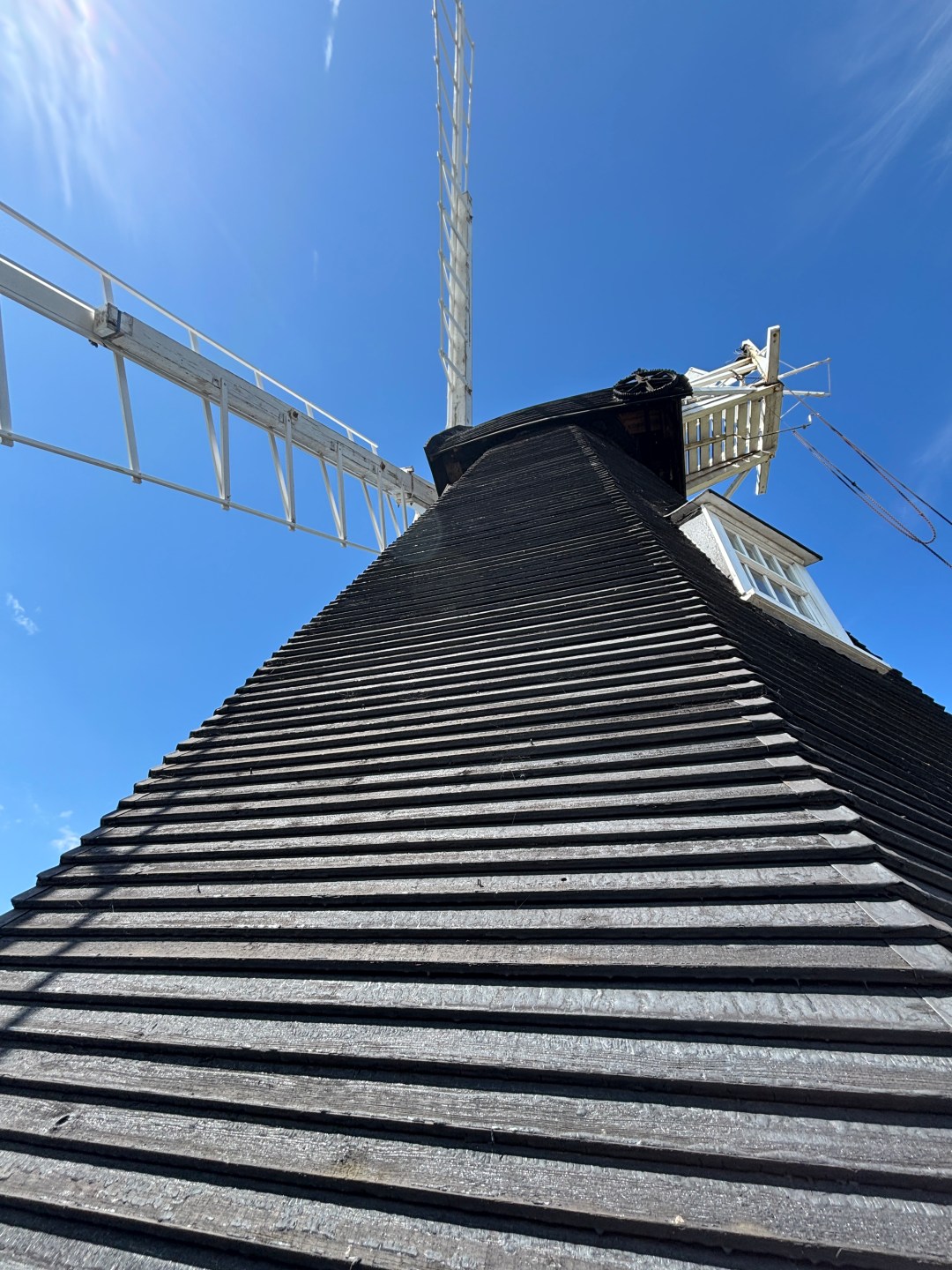
Turning Back Time in Margate: Discover the Story Behind Drapers Windmill
In the heart of Margate, where sandy beaches meet sea breezes and vintage charm, one structure quietly spins its way through history – Drapers Windmill. While most visitors come for the town’s coastal vibes, artistic flair, or nostalgic seaside attractions, this stunning 19th-century windmill offers a unique glimpse into Kent’s agricultural past. With its towering sails and fascinating mechanics, Drapers Windmill is more than just a pretty landmark; it’s a living piece of heritage, well worth a visit. It’s run by a team of volunteers and is free to visit where a detailed guided tour is given.
The Last Mill Standing on Historic Grounds
The current Drapers Windmill isn’t the only one that once stood on this site. In fact, it was part of a trio of mills: Draper’s Mill, Little Draper’s Mill, and The Pumper. The latter was used to pump water for Margate town and stood roughly where modern homes now sit behind the windmill. Today, Drapers is the only survivor, and it’s been beautifully preserved thanks to decades of dedicated community work.
A Marvel of 19th-Century Engineering
Constructed in 1845 by John Holman, a skilled millwright from Canterbury, Drapers Windmill is a four-storey smock mill perched atop a single-storey brick base. Its distinctive gallery stage sits at the first-floor level, adding both charm and function to the design.
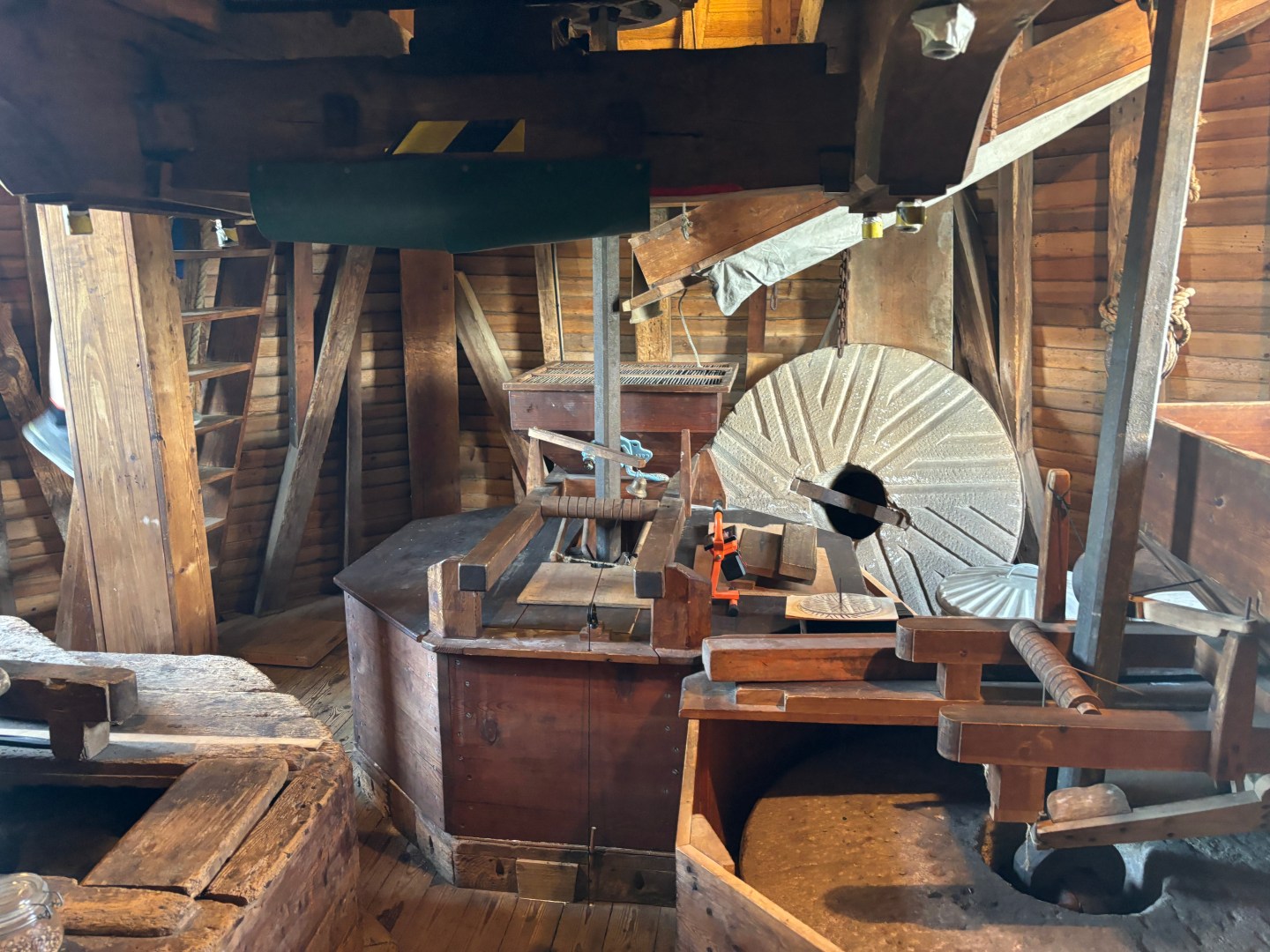
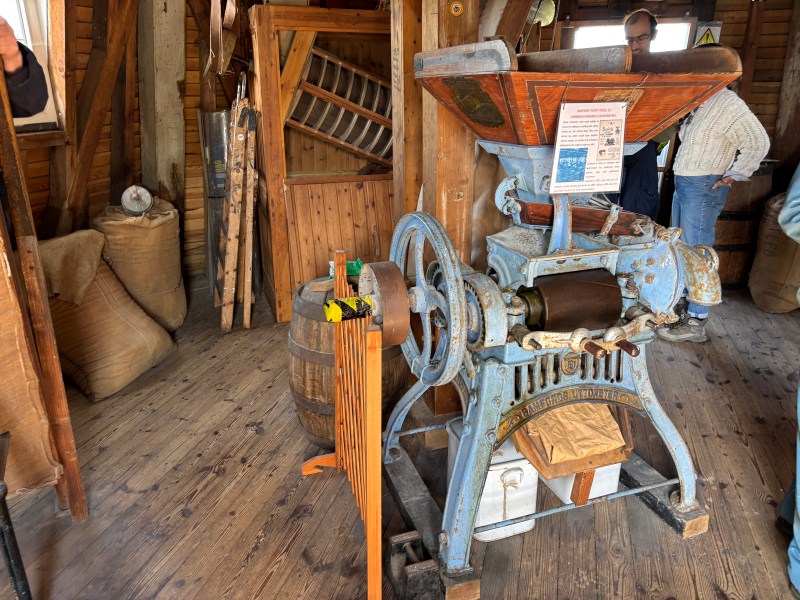
The mill’s iconic four double Patent sails – which locals refer to as “sweeps”, stretch a massive 66 feet across, each sail measuring over 26 feet long. These are driven by a cast-iron windshaft, which in turn powers an 8.5-foot diameter brake wheel. A fantail at the rear automatically turns the cap to face the wind, ensuring efficient operation. Inside, three sets of millstones, positioned “overdrift” (above the main drive), grind grain into flour.
Today’s Custodians: Preservation in Action
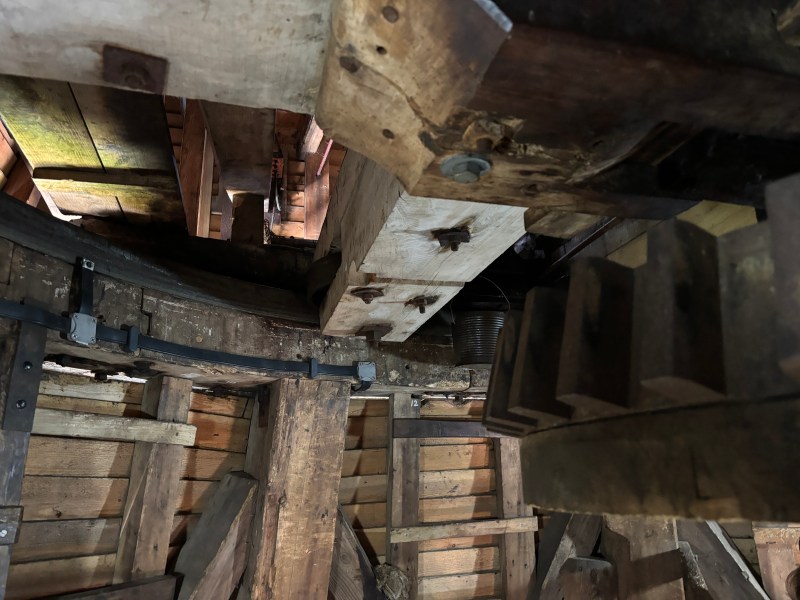
Now under the care of Kent County Council, with active support from the Drapers Windmill Trust, the site continues to be maintained and improved. Larger-scale restoration efforts are funded by the local authority, while volunteers keep the mill running, guiding curious visitors and educating the next generation.
A short archival film shows some of the detailed restoration work carried out during the 1970s. It’s a must-see for anyone interested in traditional craftsmanship.

From Wind to Gas: A Legacy of Innovation
Drapers worked solely on wind power until 1916 when calm conditions led to the installation of a 20-horsepower gas engine, a remarkable move for its time. This allowed milling to continue even on windless days until the engine was retired in the late 1930s. During that era, the sails and fantail were removed in 1927, and the windmill faced a slow decline.
By the mid-1960s, demolition loomed. Thankfully, Mr. R.M. Towes, a headteacher at the nearby Drapers Mills School, stepped in. He rallied the community and founded the Drapers Windmill Trust to save the historic site. In 1968, Kent Education Committee purchased the windmill, investing over £2,000 in its restoration.
A series of careful restorations followed: a new fantail was installed in 1970, one pair of sails in 1971, and a second set by 1974. A gallery stage salvaged from the Black Mill at Barham, tragically lost to fire, was expertly adapted by millwright Vincent Pargeter, giving Drapers a second wind (literally).
Margate Beyond the Mill
Visiting Drapers Windmill is a brilliant addition to any Margate itinerary. Just a stone’s throw from the golden beaches, Dreamland’s retro funfair, and the Turner Contemporary, the mill adds depth and history to your day by the sea. After a walk through the windmill, you can explore the town’s quirky vintage shops, creative cafes, and beachside promenades.
Margate’s reputation as one of the best seaside destinations in Kent just wouldn’t be the same without this quietly majestic windmill overlooking the rooftops.
Conclusion
Drapers Windmill isn’t just a beautiful structure, it’s a symbol of community spirit, innovation, and the rich rural history that shaped Thanet and Kent. Whether you’re a history lover, a beach-goer, or just someone looking for something a little different to explore in Margate, this working windmill has something to offer.
So next time you’re planning a trip to Kent’s coastline, don’t just chase the waves, let the sails of Drapers Windmill lead you into the past.
 Sandgeek